

Tips to Boost Your Car’s Value Before You Trade It In
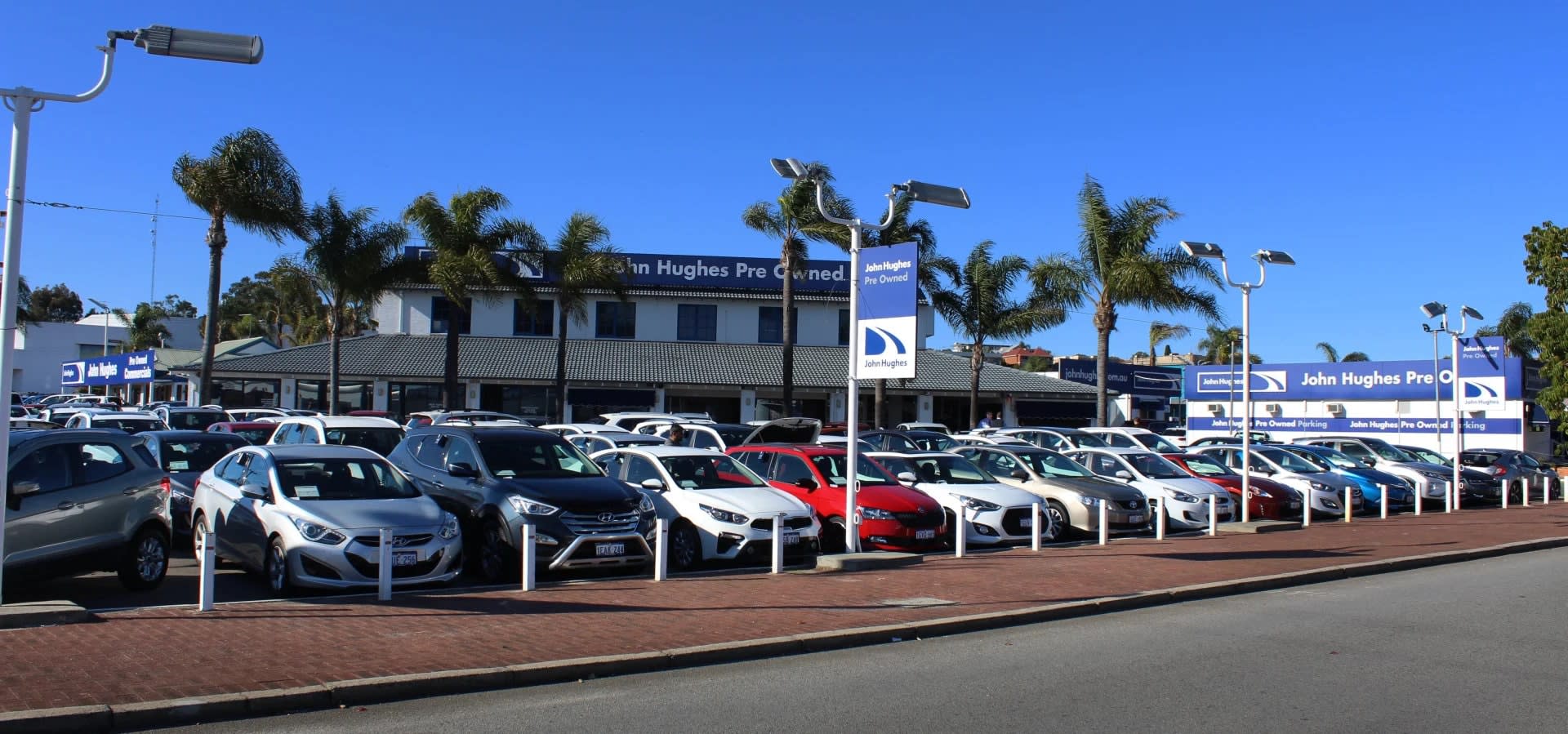
You know the saying, "first impressions count"? That couldn’t be more true when it comes to trading in your car.
Before you hand over the car keys, there are a few things you’ll want to know (especially if you care about getting the best possible offer). Most drivers miss simple opportunities that could put more money back in their pocket.
With over 55 years in the business, we’ve seen a lot of trade-ins come through. It doesn’t take long to tell when a car has been looked after. A well-presented vehicle makes a stronger first impression, holds its resale value better, and is far more appealing to serious buyers in today’s car market. With the right preparation, you'll be in a much better position come trade-in time.
1. Clean it like you mean it
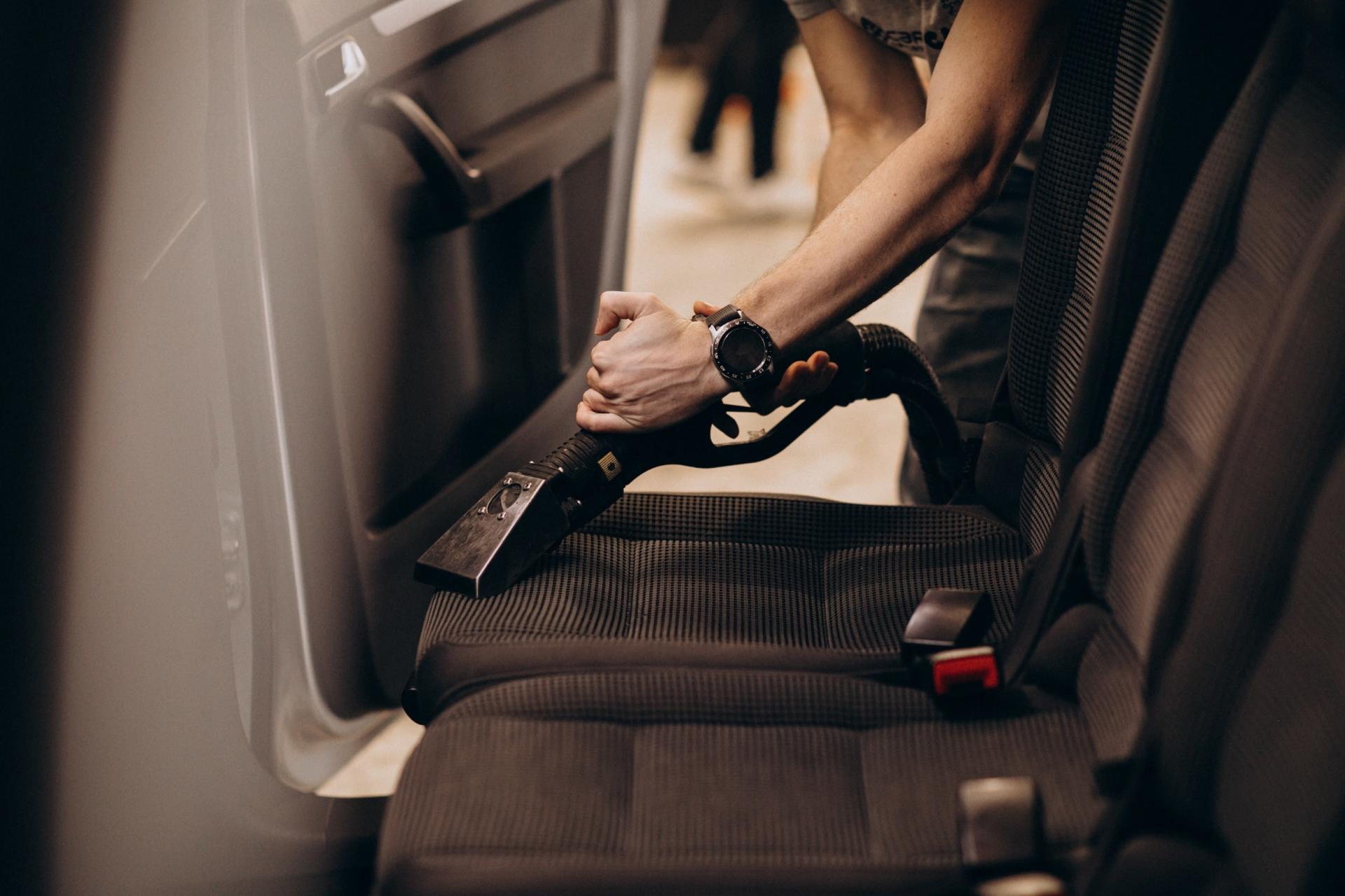
A car that looks clean, smells fresh, and feels well cared for will always be more appealing to dealers and potential buyers than one that’s dusty, stained, or full of last year’s beach sand.
Start with a proper wash and wax to freshen up the paintwork. If your headlights are cloudy, a quick restoration can make them look new again. The same goes for faded plastic trims or scuffed alloy wheels. These little touch-ups don’t cost much but can make a big difference to your car’s resale value.
Inside, give the cabin a deep clean. Vacuum thoroughly, wipe down the dash and door trims, and remove any personal clutter. If there are strong smells from pets, smoke or old food, a professional interior detail is well worth it. Bad odours are one of the fastest ways to turn off car buyers.
Even second-hand cars in average condition can look years younger with a bit of care. And when it comes to trade-in time, a tidy, well-presented car is far more likely to fetch a better offer.
2. Fix the little stuff buyers notice
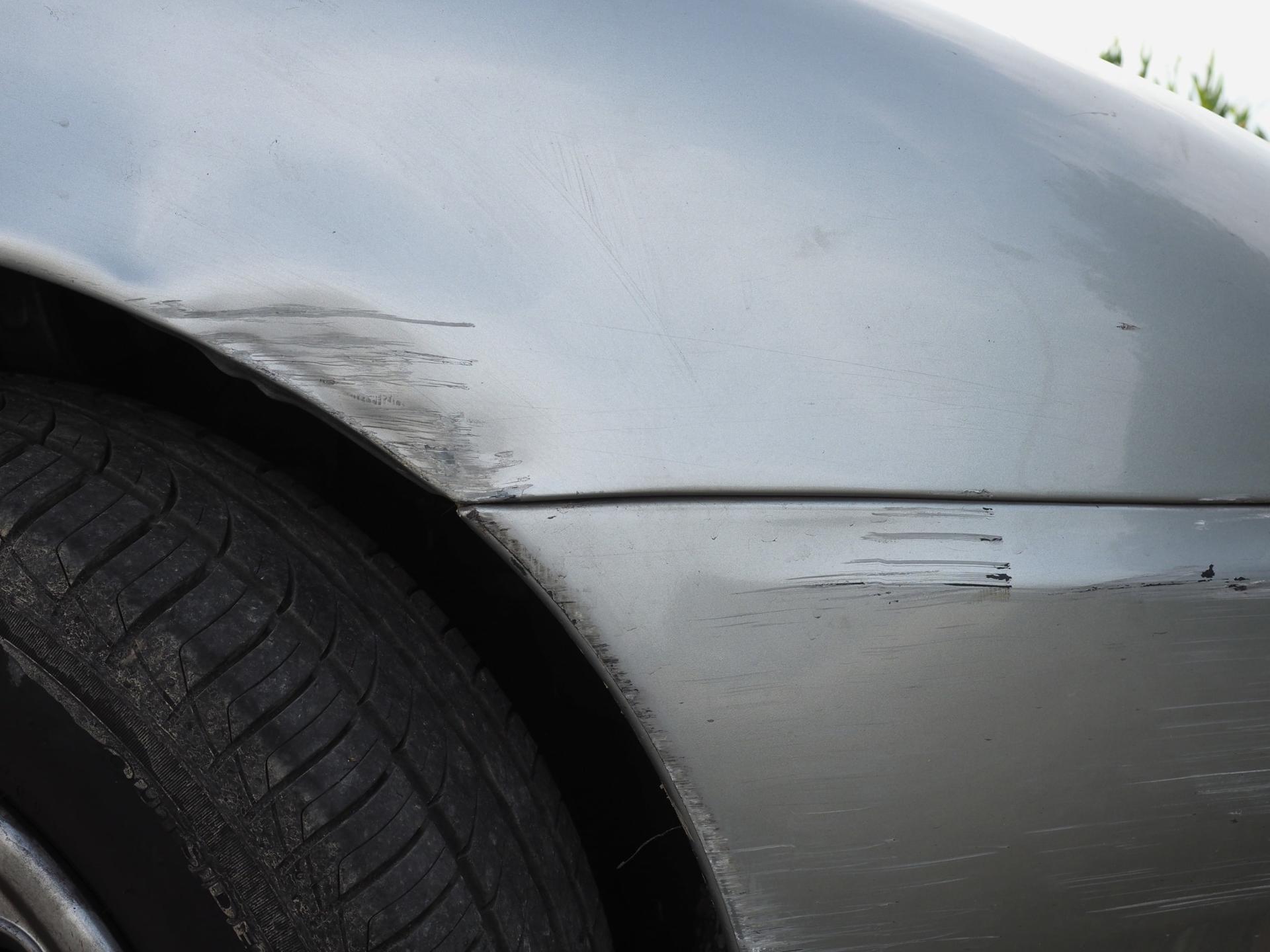
It’s easy to ignore the small things when you see your car every day. But what you’ve learned to live with are exactly the details that stand out to someone seeing the car for the first time.
These minor issues can chip away at your car’s value, even if it runs perfectly. Dealers aren’t just looking at how a vehicle drives, they’re looking at how much they’ll need to spend getting it yard-ready. The more you take care of upfront, the less reason there is to knock your offer down.
Easy wins could look like:
- Touch up paint chips or shallow scratches
- Replace cracked or fogged light covers
- Repair small dents or bumper scuffs
- Swap out worn wiper blades or faded badges
- Replace missing or mismatched hubcaps
Tyres are also worth checking. If the tread is low or they’re mismatched, it can send the wrong message about how the car’s been maintained. A matching set in good condition shows attention to detail and roadworthiness.
3. Get your logbook in order
One of the first things a dealer will ask? Whether your car’s been regularly serviced (and if you’ve got the records to prove it).
A complete, up-to-date service logbook shows that you’ve looked after the car properly, followed the manufacturer’s recommended maintenance schedule, and fixed issues before they turned into problems. This kind of history builds trust and can absolutely boost your car’s resale value.
If you’ve serviced the vehicle through a dealer or licensed mechanic, you’re in a strong position. Even better if you’ve kept receipts for things like battery replacements, tyre services, brake work or timing belt changes. These details help show the car has been maintained beyond the basics, with regular maintenance that car buyers and dealerships look for.
4. Know your numbers
Not all used cars are valued equally. Age, mileage, condition, service history, and warranty status all play a part in shaping your car’s resale value.
One key milestone to keep in mind is 100,000 kilometres. For many buyers, hitting six digits on the odometer is a psychological turning point, even if your car is running perfectly. If you’re hovering close to that number, now might be the right time to consider trading it in.
The same goes for age. Vehicles under five years old tend to hold more value, especially if they’re still within their factory warranty period. If your car is still covered, that’s a big selling point — so make sure the dealer knows.
Understanding how these factors affect your car’s place in the market helps you set realistic expectations and gives you more confidence when it’s time to sell or trade.
5. Don’t forget your paperwork
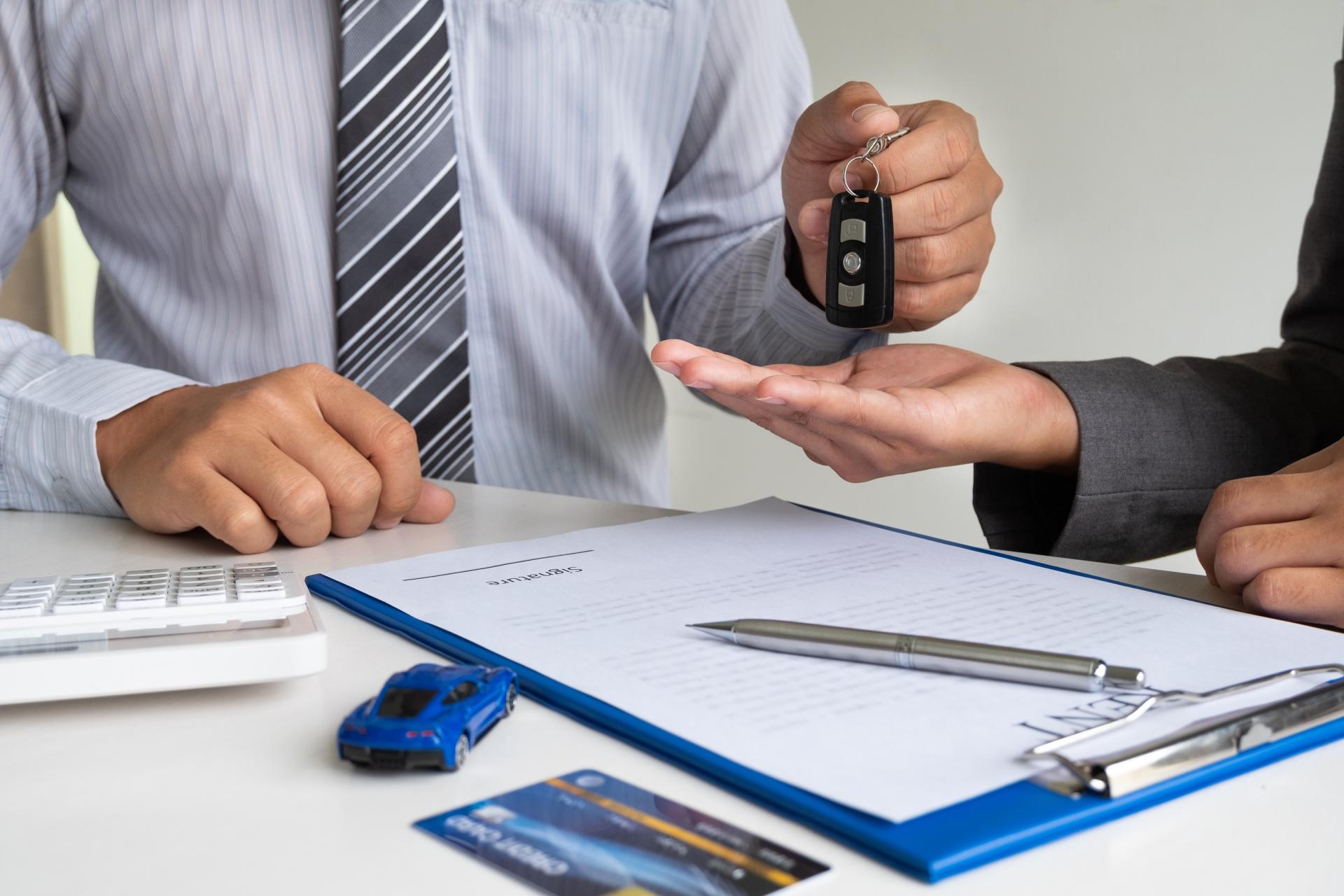
It might sound obvious, but forgetting the basics can slow things down or even lower your trade-in offer.
Before heading to a dealership, make sure you’ve got:
- Your service logbook
- All sets of keys
- Your registration papers
- A copy of your licence
- Any finance payout details, if applicable
Again, if you’ve kept receipts for servicing, tyres, batteries, or major repairs, bring those too. Taking the time to gather these documents means fewer delays, less back-and-forth, and a smoother trade-in from start to finish.
A little effort goes a long way
Boosting your car’s trade-in value doesn’t have to be complicated. A bit of cleaning, a few small repairs, and keeping your service history up to date can all make a real difference.
After more than 55 years helping Western Australian drivers buy and sell cars, we know what stands out and what holds value.
When you're ready, our Sell My Car page makes it easy to get a fair trade-in offer with no pressure. Simply enter a few details and our team will take care of the rest.