

The Ultimate 4WD Buying Guide
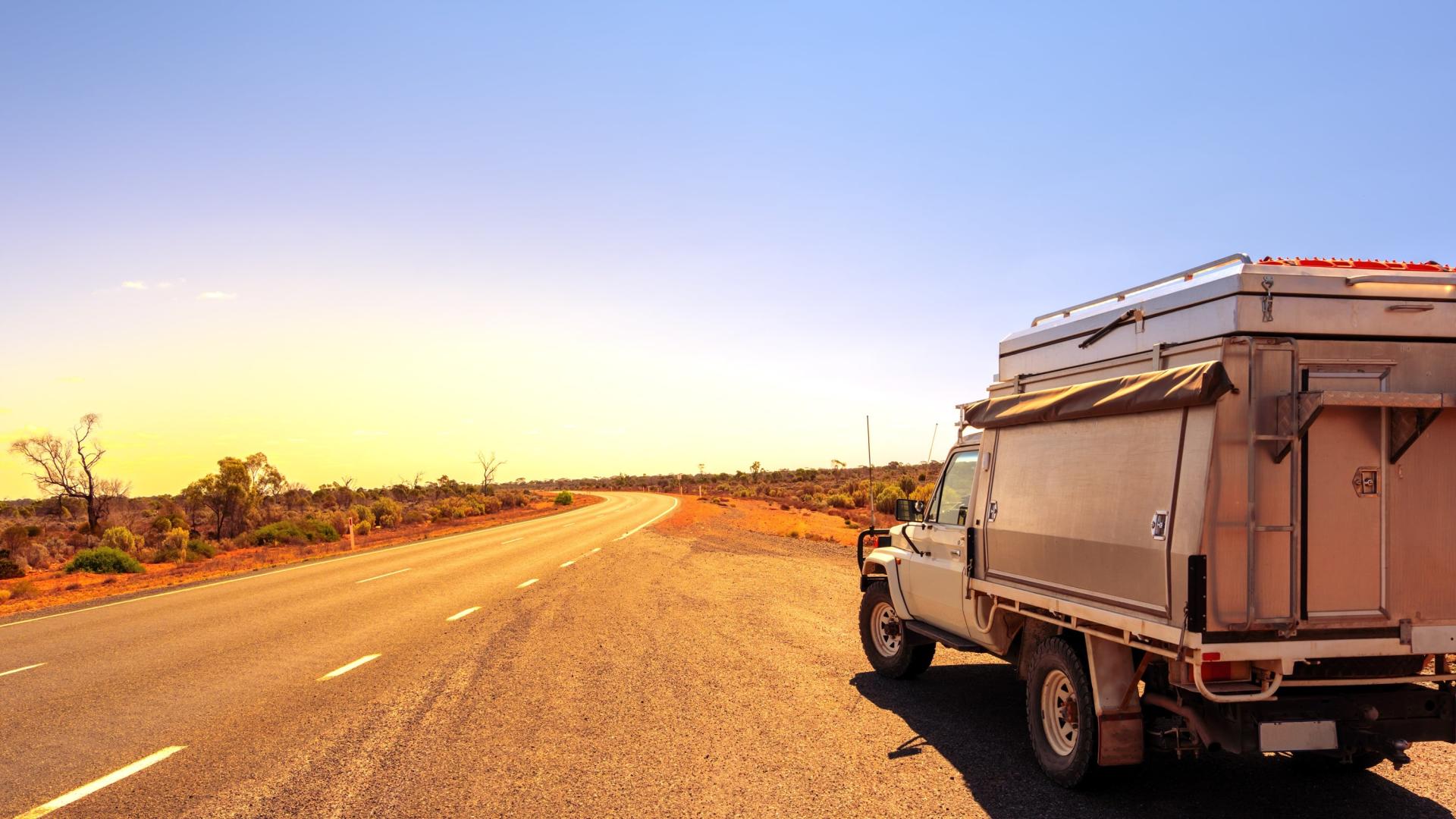
Let us guess… Your browser history is 90% 4WD reviews, your lunch breaks are spent scrolling Marketplace, and you’ve started referring to weekends as ‘potential reconnaissance missions’. You’ve officially got the 4WD bug, and you’ve got it bad.
It’s all fun and games until you start getting into the details. Suddenly, you’re drowning in a sea of acronyms (what even is GVM?), listening to your mate Dave swear his model is the only one worth buying, and having nightmares about accidentally purchasing a rig that’s seen more saltwater than a submarine.
Deep breath. It doesn't have to be that scary.
That's why we've put this four-wheel drive buying guide together. We'll help you figure out what you actually need, show you the red flags to spot on a used model, and give you the confidence to tell Dave he might, just maybe, be wrong.
Step 1: What kind of 4WD buyer are you, really?
Before you get caught up in bull bars and big tyres, the most important step is to be honest about what you're actually going to do with your 4WD.
The toughest, most tricked-out rig on the market is useless if it’s a nightmare to park on your daily commute. The best 4WD is the one that seamlessly fits your life 95% of the time, while still being capable enough for that other 5% of fun.
To help you find that perfect fit, let's figure out which of these common profiles sounds most like you.
The ‘Just in Case’ Driver
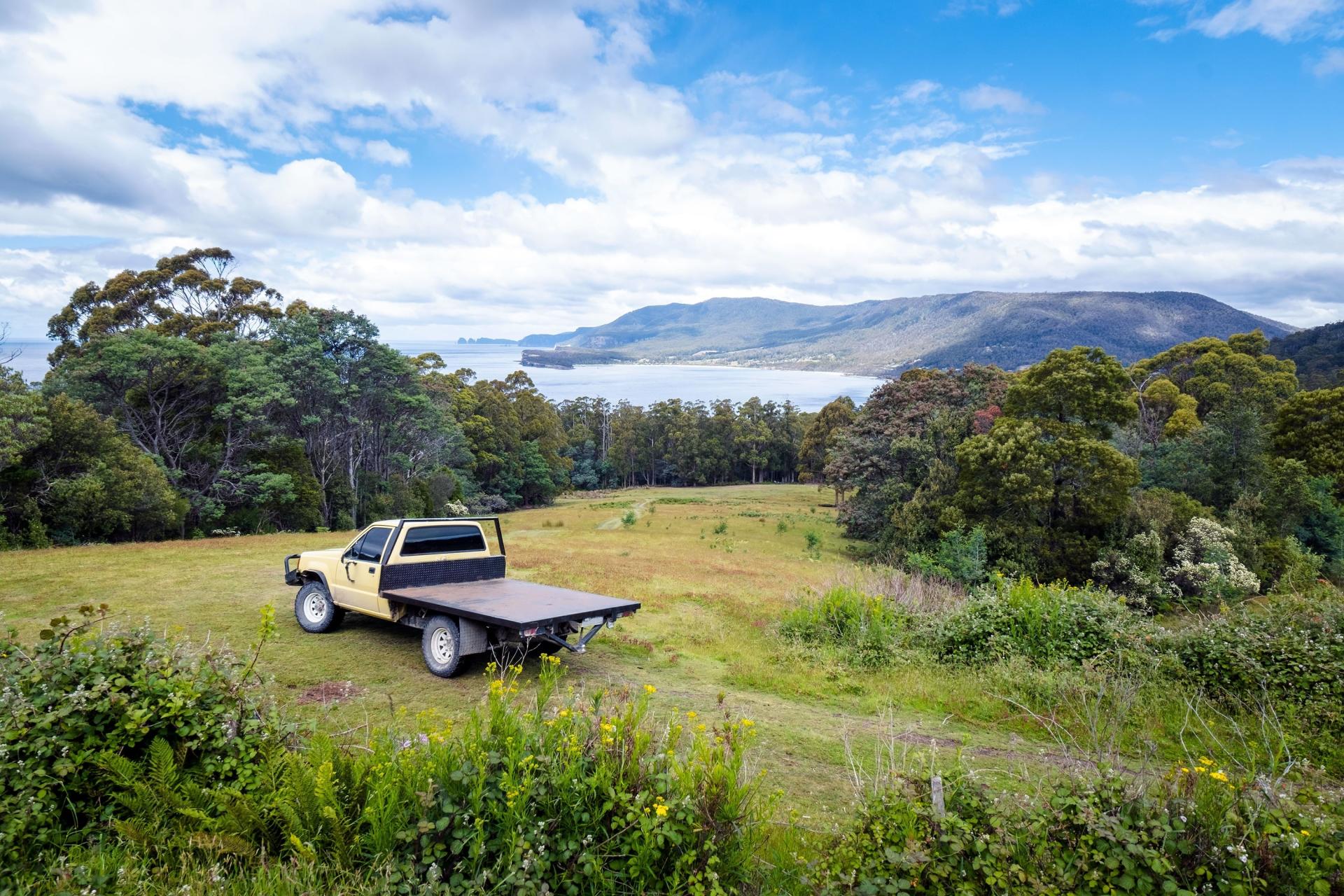
You don’t necessarily seek out challenging tracks, but you want the confidence of extra capability for slippery boat ramps, steep gravel driveways, or just navigating winter weather with absolute certainty.
- You probably need: A soft-roader with AWD (maybe even a dual cab on road tyres).
- Your priorities: Daily driving comfort, fuel efficiency, and a bit of extra grip when the bitumen runs out.
Our Pick: Hyundai Tucson
A refined mid‑size SUV offering AWD versions for confident grip on slippery driveways and boat ramps. Road‑friendly suspension and efficient hybrid variants make it ideal for daily comfort and fuel-wise all‑weather reliability.
The Weekend Warrior
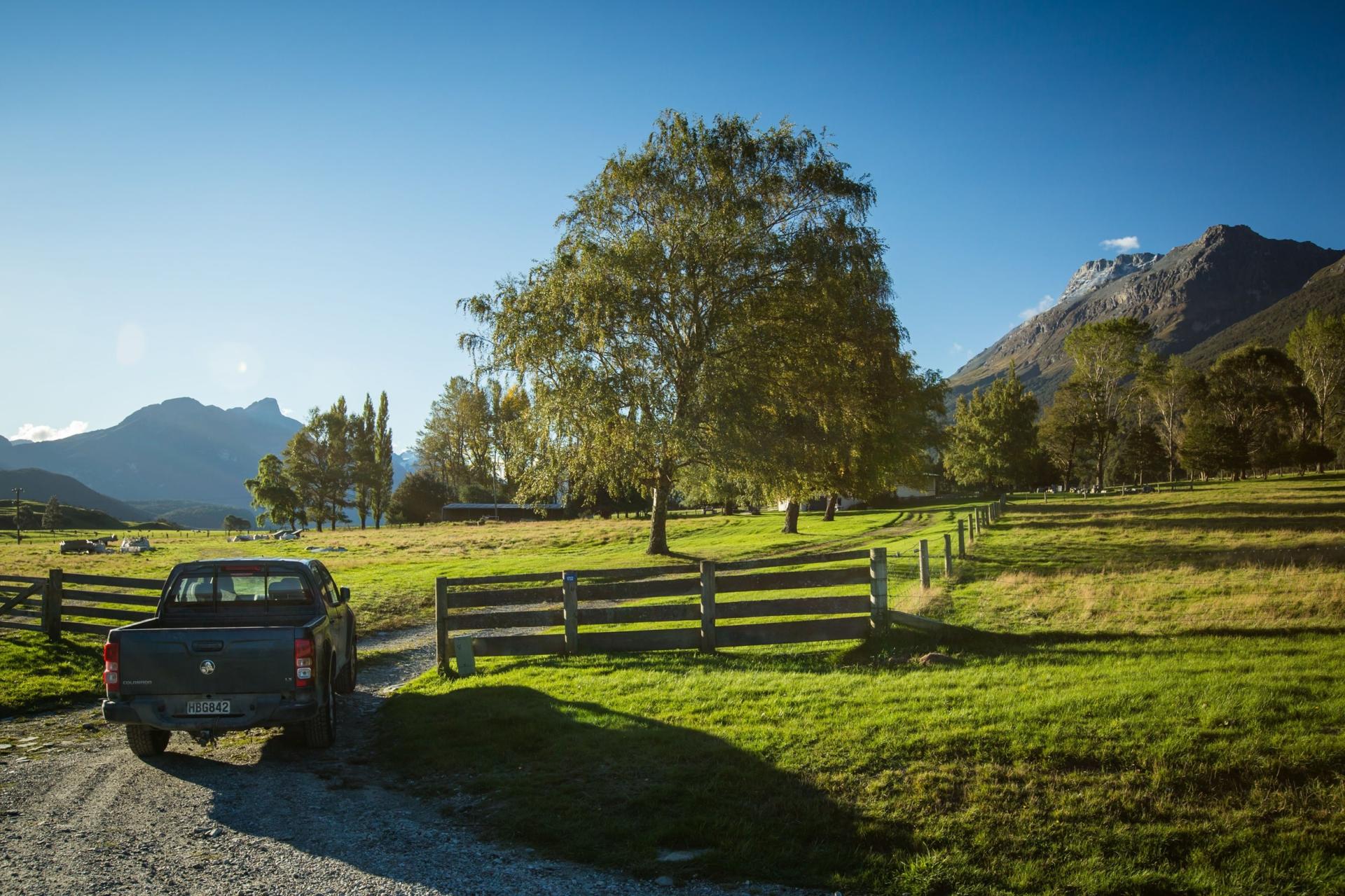
Your vehicle is a daily driver during the week, but come Friday afternoon, it’s your ticket to freedom. You’re heading for day trips or quick overnighters to the beach or the bush, and you need a vehicle that can switch from city commuter to adventure-ready without fuss.
- You probably need: A mid-to-large sized 4x4 wagon or ute that balances on-road manners with off-road potential.
- Your priorities: A comfy ride, light off-road ability, and something you can still parallel park at the shops.
Our Pick: Volkswagen Amarok
A premium dual-cab ute that blends everyday driveability with serious weekend potential. Smooth on-road performance, selectable 4MOTION AWD, and clever terrain tech give you the confidence to head off the beaten track
The Family Tourer
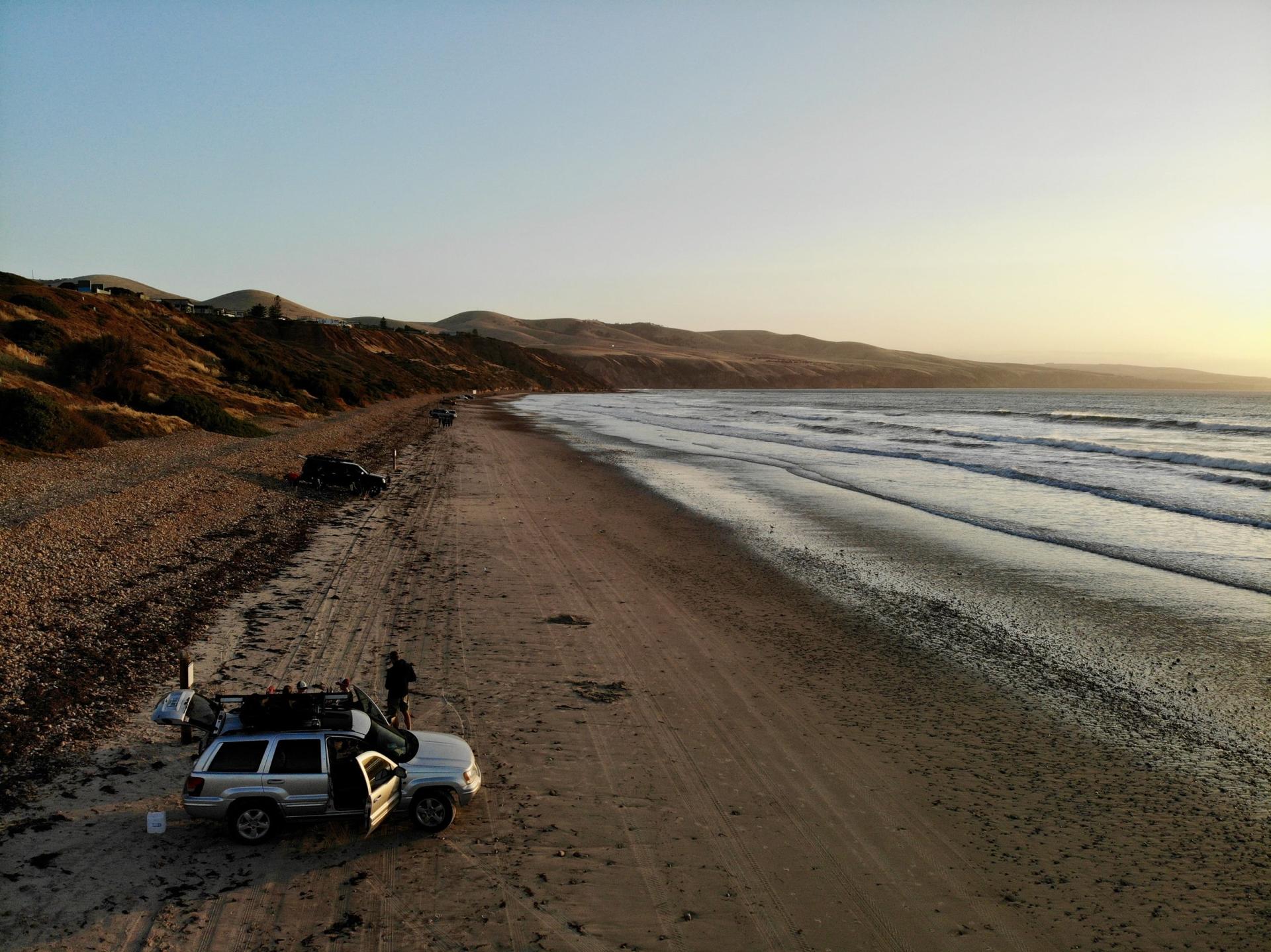
Your 4WD is the official family flagship for the annual holiday. You need to haul the kids, the camping gear, the bikes, and maybe tow a camper trailer or boat. Long-distance comfort and iron-clad reliability are non-negotiable. You need serious space and a vehicle that won’t break a sweat on a long haul up to Coral Bay or across the Nullarbor.
- You probably need: A spacious wagon or ute with proven reliability, strong towing ability, and the latest safety tech.
- Your priorities: Space, comfort, safety, and a rig that can handle both the highway and the red dirt.
Our Pick: Ford Everest
A tough, 7-seat SUV with serious towing ability (up to 3,500 kg braked), impressive off-road smarts, and road-trip-ready comfort. With selectable drive modes, family-friendly tech, and space to load up everything from surfboards to swags, it’s built for big Aussie adventures.
The Big Lap Dreamer
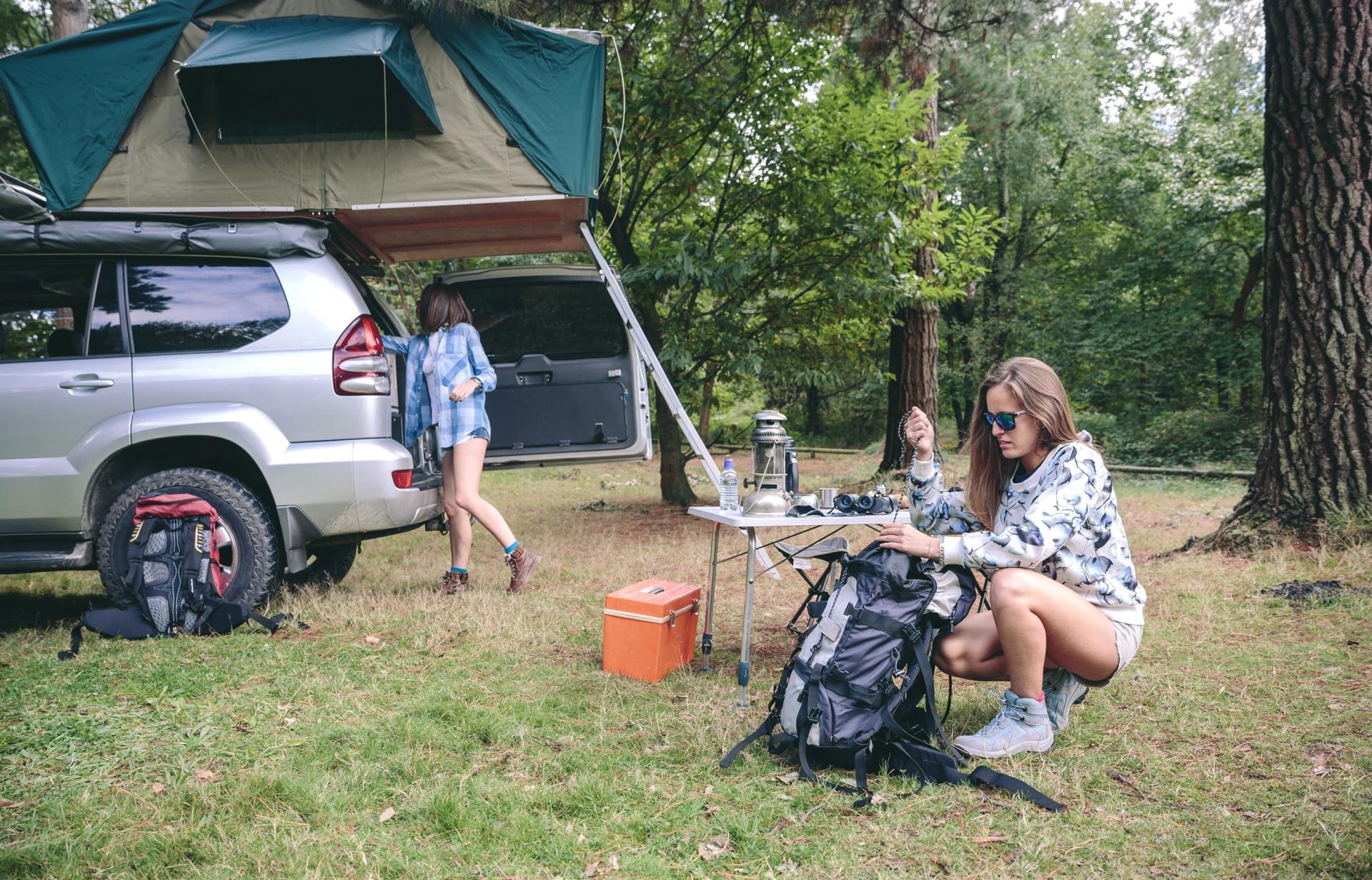
For the next six to twelve months (or more), your vehicle will be your home on wheels. Ultimate reliability, long-range fuel capacity, and a significant payload for all your gear are critical. You need a proven platform with strong parts availability across the country, because your adventure can't afford to be derailed by a breakdown in the middle of nowhere.
- You probably need: A proven, reliable tourer with a GVM upgrade and long-range fuel tank.
- Your priorities: Ultimate reliability, massive payload capacity, fuel range, and nationwide parts availability.
Our Pick: Mitsubishi Pajero Sport
A reliable diesel 4WD with selectable low-range, strong towing capacity, and enough space for serious touring gear. Known for its durability and wide parts support across regional Australia, the Pajero Sport is a smart choice for long-haul adventurers chasing the Big Lap with confidence.
The Off-Road Enthusiast / Tradie
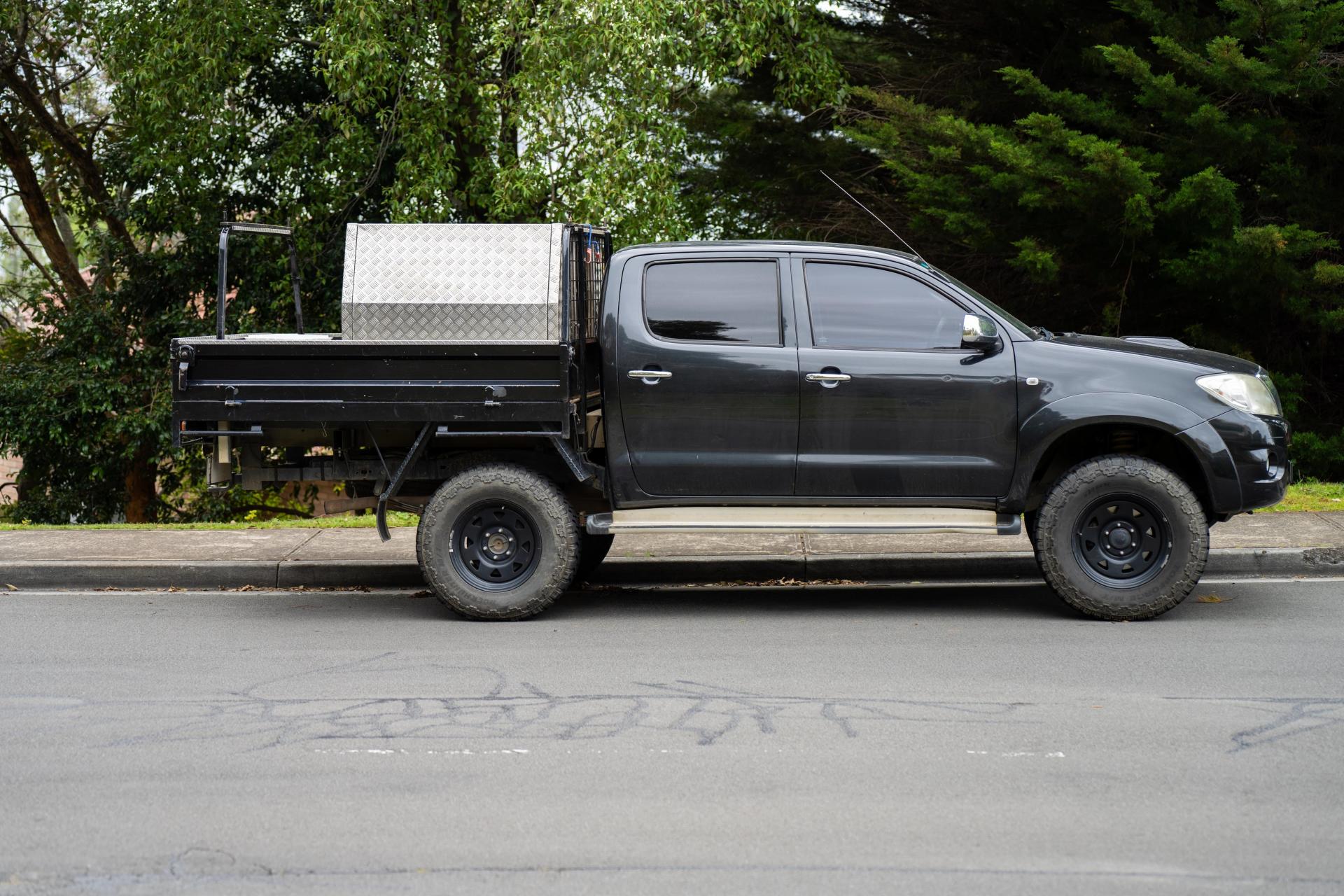
For you, a 4WD is a tool for work and serious play. Monday to Friday, it’s loaded with gear and equipment. Come the weekend, you’re looking for challenging tracks and remote campsites that test your vehicle's limits.
- You probably need: A tough-as-nails single / dual-cab ute.
- Your priorities: Serious off-road capability, good ground clearance, maximum payload, rugged durability, and endless modification potential.
Our Pick: Ford Ranger
A true workhorse with the heart of an off-roader. The Ranger delivers robust 4x4 capability, serious torque for towing or payload, and a well-earned reputation among tradies and weekend warriors alike. With wide aftermarket support and factory off-road packs, it's ready for the jobsite and the bush.
Step 2: Making the big decisions (vehicle and engine choices)
Okay, you’ve identified your profile. Now it's time to tackle the three biggest decisions that will narrow down your search from hundreds of vehicles to just a handful.
Ute vs. Wagon
Ute
Why they’re great:
- Big trays for tools, bikes, swags, or dogs
- Easy to bolt on extras like canopies, roof racks, or drawers
- High towing and payload figures
- Better suited to rough work and remote travel
Worth thinking about:
- Ride can feel stiff when unloaded
- Trays need a canopy or cover to keep gear secure
- Not as quiet or refined as wagons
Wagon
Why they’re great:
- More comfortable on longer drives
- Better ride quality when not loaded
- Lockable, weatherproof storage
- Usually come with better safety and infotainment tech
Worth thinking about:
- Not as much cargo flexibility
- Can get cramped if you’re packing a lot of gear and passengers
- Some are built more for comfort than hardcore off-roading
Petrol vs. Diesel
Why choose a diesel?
Torque. A turbo-diesel engine's low-down pulling power makes it the king of heavy towing. This grunt also translates to effortless low-speed crawling off-road. They typically offer better fuel economy, especially under load, giving you a much greater range.
Why choose a petrol?
Simplicity and performance. Petrol engines are often cheaper to purchase and service. They're generally quieter and smoother, and modern turbocharged petrols offer impressive power for overtaking. However, their fuel consumption is higher, especially when towing, which will reduce your effective touring range.
Automatic vs. Manual
Go automatic if…
- You’re doing lots of towing
- You only have an automatic (C-A class) licence
- You want an easier drive around town or in traffic
- You’re planning big trips and long stints behind the wheel
- You’re new to off-roading and want something more forgiving
Go manual if…
- You want full control on technical trails
- You prefer old-school driving feel
- You don’t mind working a clutch on the daily
If you’re unsure, test drive both. Manuals can be more engaging, but they’re not much fun in peak-hour traffic. And if someone else in the family needs to drive the car too? Auto is usually the safer bet.
At John Hughes, we offer test drives across our full range so you can get a proper feel for what suits your life before you commit.
Step 3: Understanding the lingo
Getting your head around these core systems is the next critical step, as it directly impacts a vehicle's capability and helps you filter your choices even further.
Understanding these key terms will give you the confidence to know what you're really buying and what all those extra buttons, dials, and switches in the cabin actually do.
Part-time 4WD, Full-time 4WD, and AWD
- Part-Time 4WD: This is the traditional system found in most utes like the Toyota Hilux and Ford Ranger. For daily driving on bitumen, it operates in two-wheel drive (2WD) to save fuel. When you hit the dirt, you manually select high-range four-wheel drive (4H).
- The golden rule: you must not use 4H on high-traction surfaces like sealed roads, as it can damage the driveline.
- Full-Time 4WD: Found in vehicles like the Toyota LandCruiser and Nissan Patrol, this system sends power to all four wheels, all the time. A special centre differential allows it to be used safely on any surface, from wet city streets to corrugated outback tracks, providing excellent grip and safety without you having to do a thing.
- All-Wheel Drive (AWD): Common in SUVs like the Toyota RAV4 and Subaru Forester. Think of this as a smart, automated system. It drives in 2WD most of the time but automatically sends power to the other wheels the instant it detects slip. It’s perfect for providing seamless, extra traction on wet roads or gravel.
Low Range, Diff Lockers, and Traction Control
- Low Range (4L): This is the secret weapon of a true 4WD. Engaging low range is like shifting to the granny gear on a mountain bike. It multiplies the engine's torque, allowing you to crawl over very steep and technical obstacles with maximum control and minimal strain. It's what separates the 'Just in Case' soft-roaders from the serious off-roaders.
- Traction Control (TRC): When the car's computer senses a wheel is spinning without grip, it automatically applies the brake to that single wheel. This simple action forces the engine's power across to the wheel on the other side that does have grip, pushing you forward. Modern traction control is incredibly effective.
- Locking Differentials ('Diff Lock'): This is the ultimate traction aid for extreme situations. When you push this button, it mechanically locks the two wheels on an axle together, forcing them to spin at the exact same speed. Even if one wheel is dangling in the air, the other on solid ground will continue to turn and drive you out of trouble.
Step 4: The numbers that matter (towing, payload, and your budget)
This is easily the most overlooked part of buying a 4WD, but it's arguably the most important for your safety, your licence, and your insurance policy.
Getting your head around these numbers ensures your dream setup is both legal and safe on the road.
GVM, GCM, Payload, and Towing Capacity
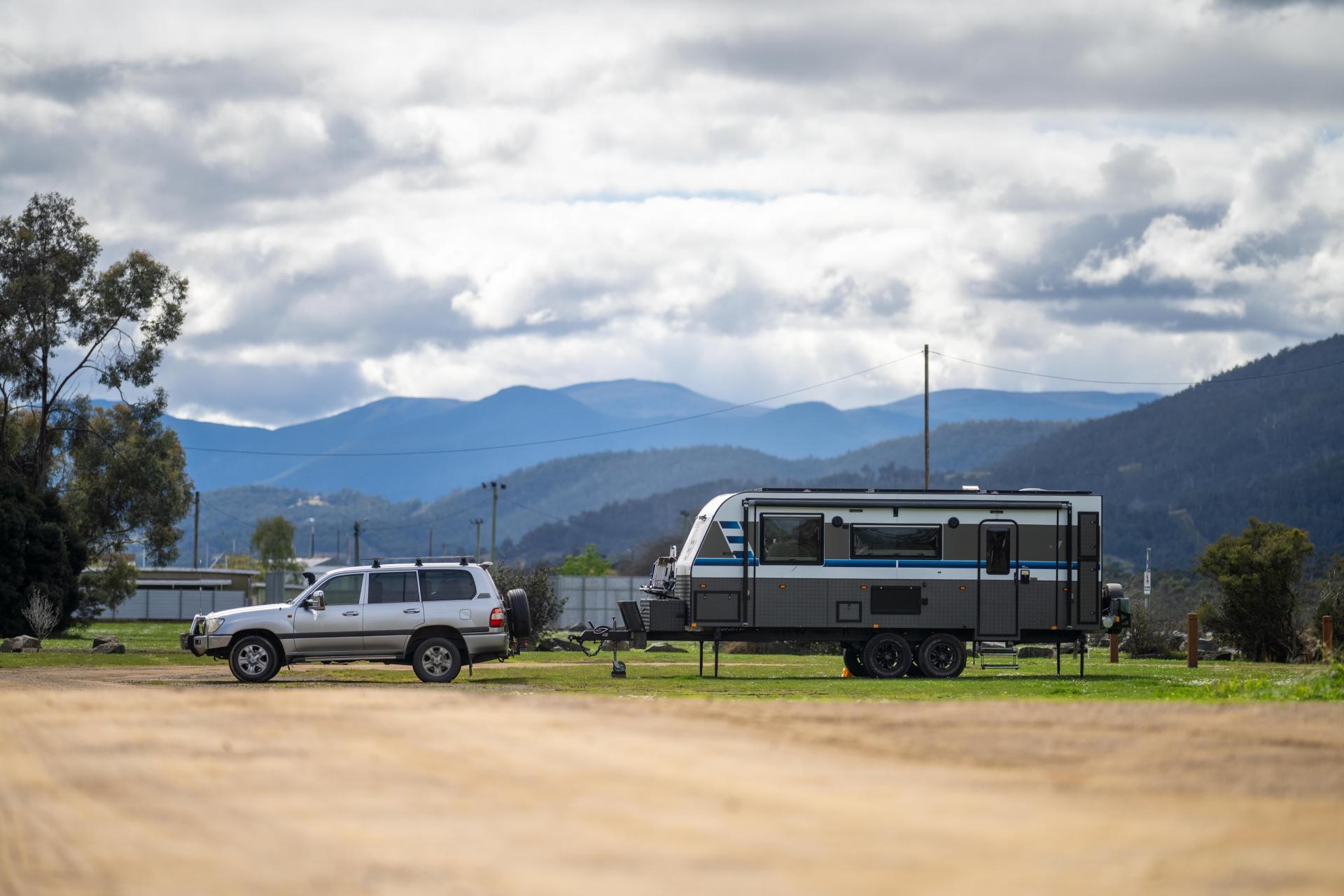
- Kerb Weight: The weight of your vehicle with a full tank of fuel, but with no passengers, cargo, or accessories.
- Gross Vehicle Mass (GVM): The big one. This is the absolute maximum your vehicle is legally allowed to weigh. This includes the vehicle itself, all your accessories (bull bar, roof rack, etc.), fuel, passengers, and all your gear.
- Payload: This is the total weight you can add to your vehicle.
- The formula is: Payload = GVM - Kerb Weight.
- Everything you add eats into your payload.
- Braked Towing Capacity: The maximum weight of a trailer you can legally tow, assuming the trailer has its own braking system.
- Gross Combination Mass (GCM): The maximum combined weight of your fully loaded vehicle and your fully loaded trailer.
The GVM and GCM trap to look out for (example)
Let's say you buy a new ute. Its specs are: GVM 3,250kg, Kerb Weight 2,300kg, GCM 6,000kg, and max towing capacity 3,500kg.
First, let's look at your payload: 3,250kg (GVM) − 2,300kg (Kerb) = 950kg. That seems like a lot.
But that payload vanishes fast. Add two adults (160kg), a steel bull bar and winch (100kg), a canopy (80kg), and a set of drawers (60kg). You've already used 400kg before packing a single bag.
Now, here's the trap. Let's say you load your ute right up to its 3,250kg GVM limit and hook up a 3,000kg caravan. Both are under their individual limits. But your combined weight is 3,250kg + 3,000kg = 6,250kg.
Since your GCM is only 6,000kg, you are 250kg overweight and illegal.
This is the GCM trap that catches so many people out (so be sure to double-check this). In the unfortunate event of an accident, being overweight gives your insurance company a clear reason to deny your claim, potentially leaving you responsible for a massive bill.
Budgeting for total cost of ownership
A smart buyer knows the purchase price is just the entry ticket. You need to budget for the ongoing costs.
- Fuel: A loaded 4WD is thirsty. Budget for higher weekly fuel bills.
- Insurance: Premiums are higher for 4WDs and will increase with modifications.
- Servicing: Regular maintenance is critical, and diesel servicing is generally more expensive than petrol.
- Tyres: A good set of All-Terrain tyres is a fantastic upgrade, but they're a significant expense, costing upwards of $1,600 for a set of four.
- The 'Mod Fund': Let's be honest, no 4WD stays standard for long. Budget for the accessories you'll inevitably want, like a UHF radio or roof rack.
Step 6: New, used, or demo?
At this point, you should know roughly what type of 4WD you’re chasing. Now comes the big question that shapes the final decision for most people: what can they afford?
The good news is, your budget doesn't lock you out of the market; it simply guides you towards one of these three paths to ownership.
Buying a new 4WD
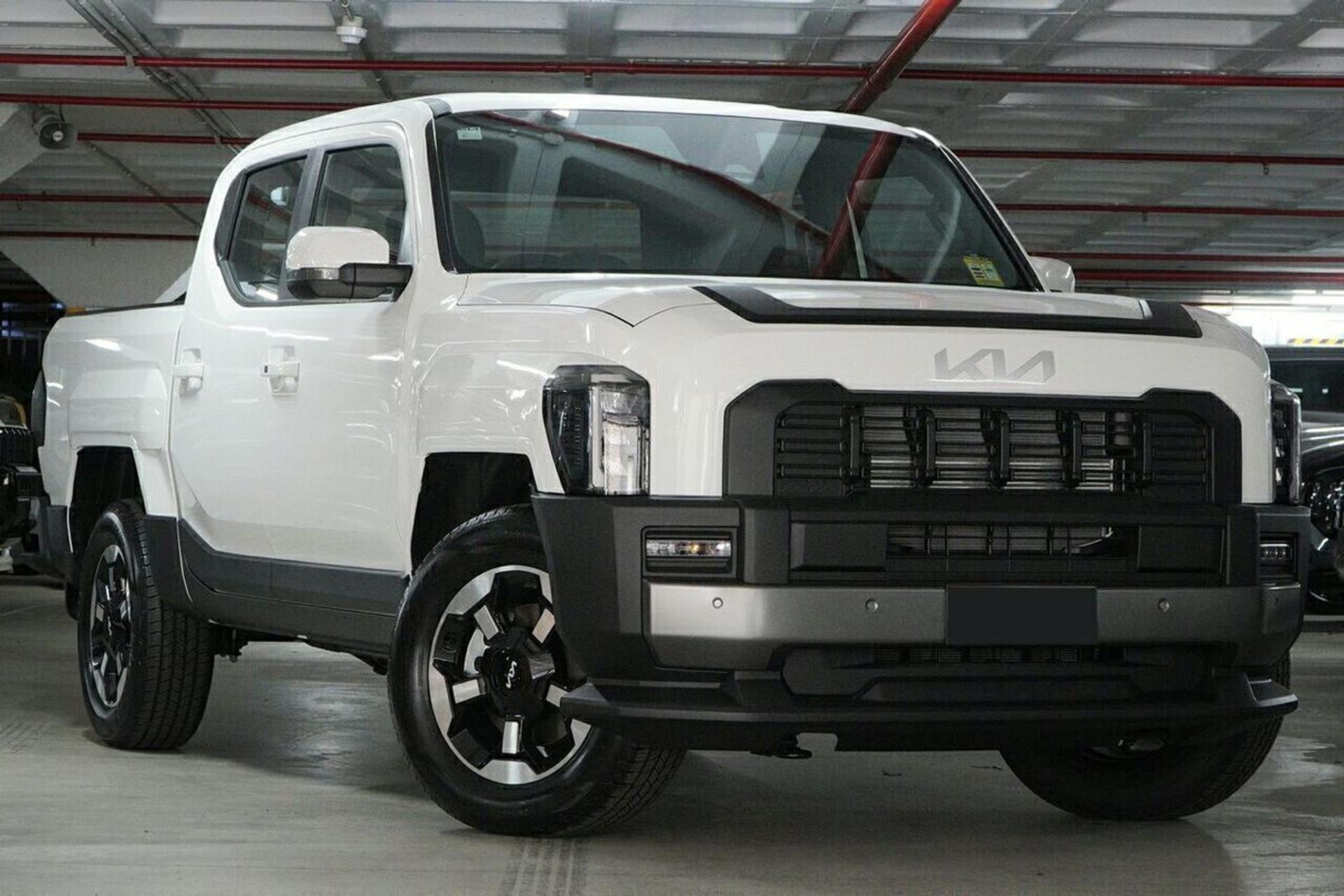
This is the ultimate peace of mind. You get the full manufacturer's warranty, the latest safety and technology, and that unbeatable new car smell. It’s a complete blank canvas for you to build upon, and you know every single kilometre it's ever driven.
Worth thinking about:
- It's the most expensive option upfront, and your vehicle suffers its biggest depreciation hit the moment you drive it out of the showroom.
If being the first owner is the path for you, we have a massive selection of the latest models from Australia's favourite brands. You can explore our range of new 4WDs for sale in Perth to find your perfect blank canvas.
Buying a used 4WD
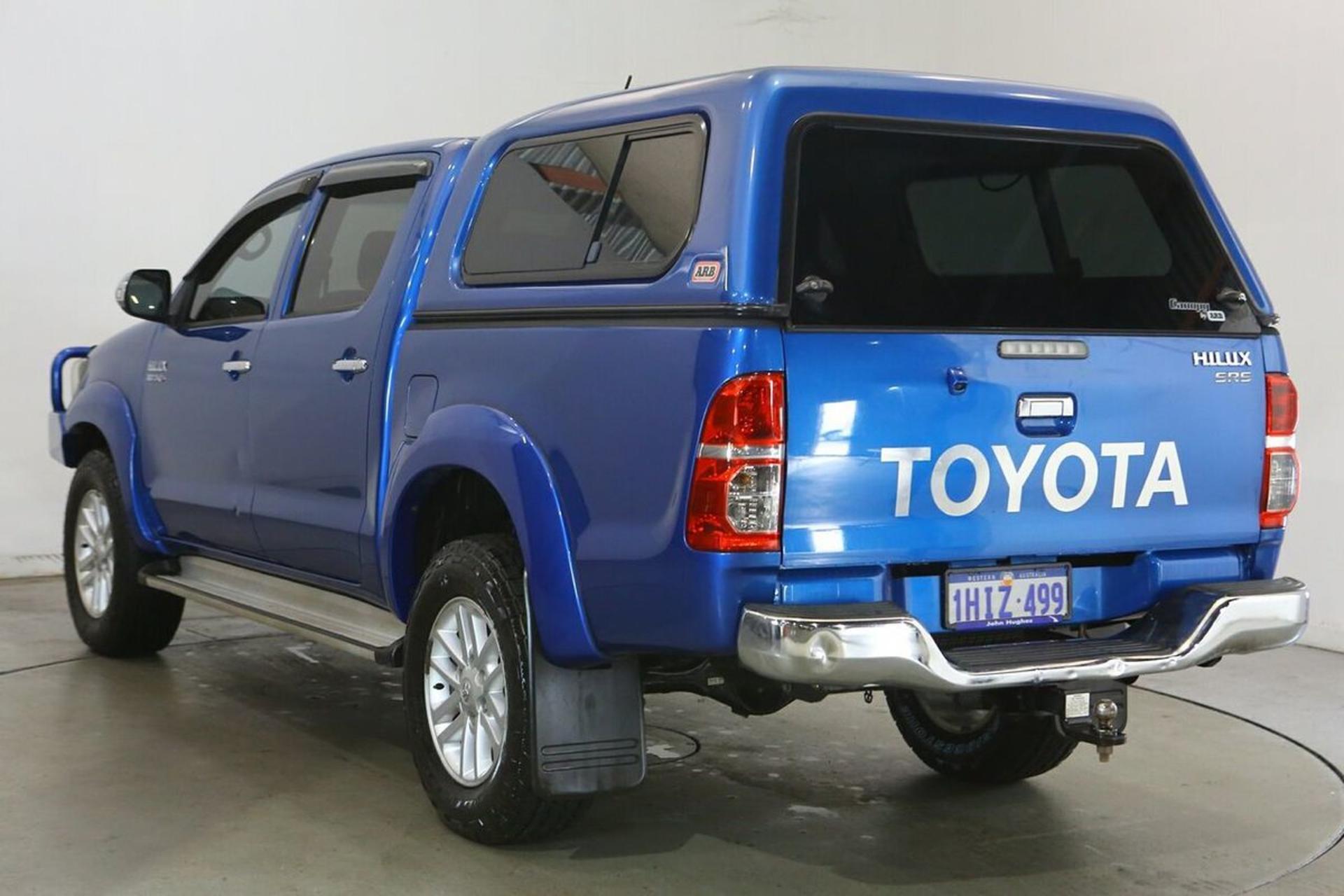
This is where you find the best bang for your buck. Someone else has already paid for the steepest part of the depreciation curve. You can often get a higher-spec model for the price of a new entry-level one, and it might even come with thousands of dollars worth of accessories already fitted.
Worth thinking about:
- The potential risk of buying used depends entirely on where you buy from. A private sale can be a minefield; the vehicle's history can be a mystery, there’s no warranty, and the responsibility for finding any faults is 100% on you.
- This is the single biggest advantage of buying from a dealership like John Hughes. We take that risk away. Every used 4x4 we sell undergoes a comprehensive workshop inspection, and you are protected by a statutory warranty which is required by law for licensed dealers in WA. It means you can drive away with confidence, knowing exactly what you’ve got.
- If you do go down the private sale route, we highly recommend taking your mate Dave (if he really knows his stuff!) or, even better, a qualified mechanic to inspect the vehicle using the in-depth checklist we've provided in the next section.
Buying used offers incredible value, and it's crucial to buy from a source you trust. Check out our huge range of quality used 4x4s for sale in Perth to find a capable adventurer that fits your budget.
Buying a demonstrator (demo) 4WD
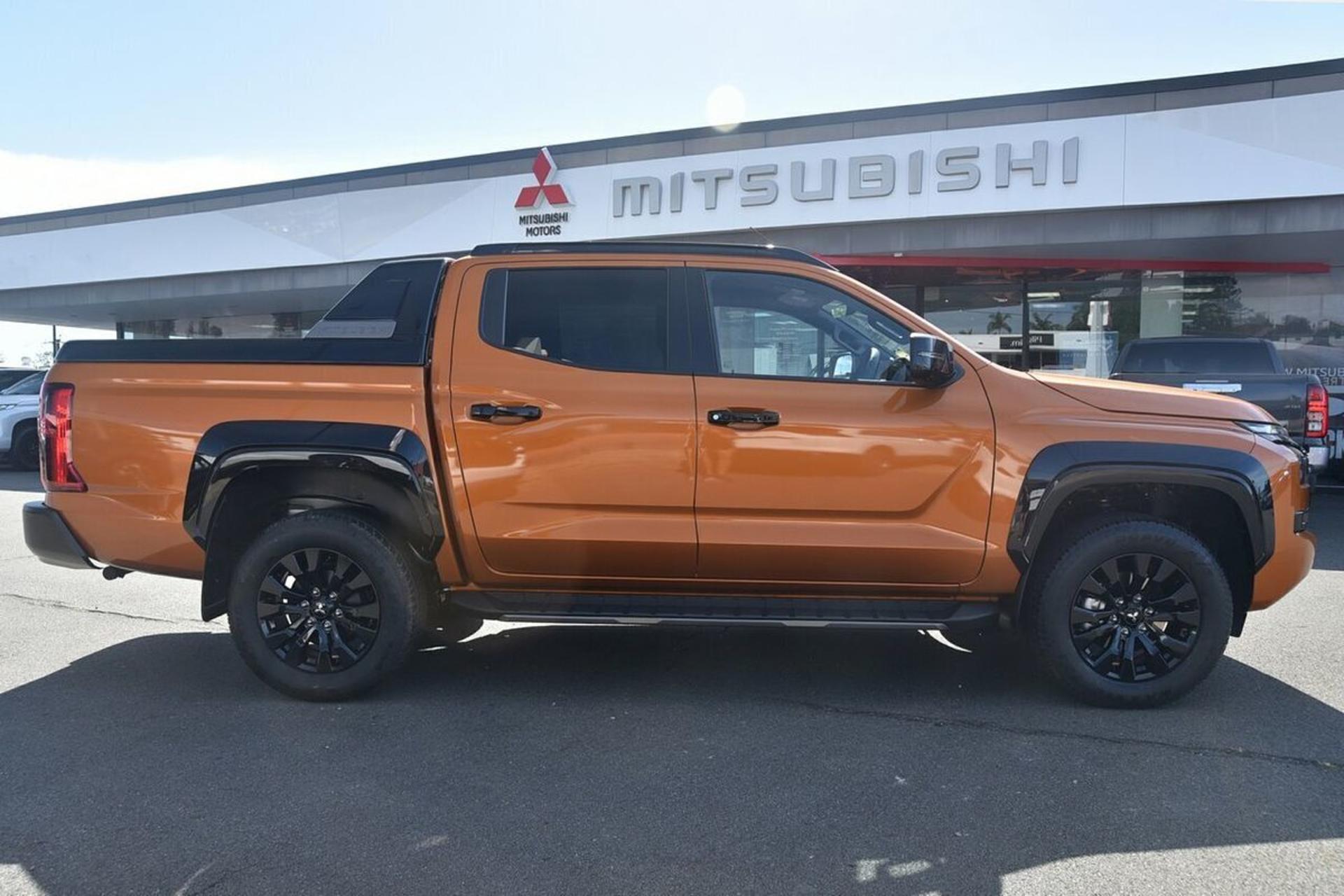
A 'demo' model is often the perfect sweet spot. It's a practically new car that has only been used for test drives, so it has minimal kilometres on the clock. You get the lion's share of the new car warranty and that new-car feel, but you get it at a significant discount compared to a brand new one.
Worth thinking about:
- You're limited to the models, colours, and specifications that are available as demonstrators at the time. You can't custom-order your perfect spec’d vehicle.
For the savvy buyer wanting the best of both worlds, a demo is the insider's choice. Our demo stock changes frequently, so it pays to see what's available. See all current demo cars for sale in Perth and you might just find the perfect deal.
Step 6: The ultimate used 4WD inspection checklist
So, you’ve found a 4WD that ticks the boxes. Looks clean, price is decent, and the photos show it parked in someone’s driveway, not buried in beach sand. This is a good start, but now it’s time to get your hands (or your mate Dave’s) dirty.
Used 4WDs can be a goldmine or a complete lemon. Here’s how to figure out which one you’re dealing with.
1. The online checks (before you even leave home)
- PPSR check: For a few dollars, run the vehicle's VIN on the Personal Property Securities Register (PPSR). This will tell you if there’s finance owing, if it's been stolen, or if it's been officially written off. If it fails this check, don't even bother going to see it.
- Social media scan: This is the modern trick. If you know the seller's name, a quick search on Facebook or Instagram might show you photos of the vehicle and how they ‘actually’ used it.
- Ask the awkward questions: Before you even look at the car, have a proper chat with the seller.
- What’s it been used for?
- Has it done much off-roading or towing?
- Why are they selling it?
- Any accident history or known issues?
- When combined with the social meida scan, if the seller replied “nah, barely touched the tracks” but you find a photo of it halfway through a creek crossing on Fraser Island... time to walk away.
2. The walkaround (body and exterior)
- Paint & panels: Look for mismatched paint between panels, signs of overspray on plastic trim, or uneven panel gaps. These are tell-tale signs of accident repairs.

- Rust: This is a potential deal-breaker. Check thoroughly around the windscreen, in the bottom corners of the doors, under the wheel arches, and in the roof gutters. Rust is like cockroaches; for every one you see, there are a thousand more you can't.
- Tyres: Are they a matching set from a reputable brand? Uneven wear can indicate alignment or suspension issues.
3. Inside the cabin (interior and paperwork)
- Wear vs. Kilometres: Does a car with 80,000km on the odometer have a driver's seat that's worn to threads and a steering wheel that's shiny and smooth? This could be a sign of a wound-back odometer.
- Water damage: Lift the floor mats and check the carpet for dampness or a musty smell. Check for rust on the seat mounting bolts. This is a sign the vehicle has been for a swim.
- The 'red dust' test: On a 4WD that has supposedly never left the city, peel back a small corner of the carpet in the boot or a door sill. It's almost impossible to get rid of all the fine red dust from outback trips.
- Accessory check: Look at how accessories have been fitted. Is the wiring for the driving lights neat and tidy, or a "rat's nest" of tape? Sloppy work suggests a shortcut-taking owner.
- Logbooks: Check the service history. Is it consistent? Has it been serviced by a reputable mechanic?
4. Under the bonnet (the engine check)
- The cold start: This is non-negotiable, especially for a diesel. The engine must be completely cold when you start it. If you arrive and the bonnet is already warm, the seller might be hiding a starting issue.
- Exhaust smoke: When it starts, look at the exhaust. A little puff of white vapour on a cold day is normal. Constant blue smoke (burning oil), black smoke (unburnt fuel), or excessive white smoke (potential coolant issue) are all major red flags.
- The oil check: Pull out the dipstick. The oil should look like oil, not a milky brown "iced latte". If it is, that signifies water or coolant mixing with the oil, a potentially catastrophic issue.
- The blow-by test: This is a neat trick. With the engine running, carefully unscrew the oil filler cap and place it upside down on the opening. If it rattles around a bit, that's normal for a diesel. If it gets blown straight off by a strong gust of air, there could be excessive "blow-by," indicating worn piston rings.
5. Getting underneath (chassis and driveline)
- Leaks: Look for any obvious fluid drips from the engine, gearbox, transfer case, or differentials.
- Damage: Check for big dents, gouges, or scrapes on low-hanging components like the differential housings and chassis cross-members. This tells you how hard it's been used off-road.
- Hidden rust: Shine your torch on the chassis rails. Look for fresh black paint that might be hiding rust or recent repairs.
6. The test drive
- Engage everything: Drive it in 2H, 4H, and find a patch of dirt to engage 4L. Make sure it shifts into and out of all ranges smoothly.
- Listen: With the radio off, listen for any weird whirring, grinding, or clunking noises from the engine, gearbox, or driveline under acceleration and deceleration.
- Brake test: In a safe spot, brake firmly. Does the car pull to one side or does the pedal shudder?
- Push every button: From the windscreen wipers to the electric windows and diff lock button, make sure every single electronic feature works.
Step 7: The final checks
You've found the perfect 4WD, inspected it, and agreed on a price. Congratulations! But before you drive off into the sunset, there are a couple of final, crucial steps to protect your new investment.
Getting your insurance sorted
The first call you should make (before even turning the key) is to an insurance company. You must disclose every single modification on the vehicle (lift kits, bull bars, etc.), as failing to do so can void your policy in an accident. It's also vital to ask them directly: "Does this policy cover me for driving on designated 4WD tracks?" as many standard policies don't.
The dealership advantage
This is another area where buying from a dealership makes life infinitely easier than a private sale. When you buy from John Hughes, we handle all the registration transfer paperwork for you seamlessly.
Our team provides you with all the vehicle details you need for your insurer, ensuring a smooth process from start to finish. It means you can drive away with complete peace of mind, knowing everything is sorted correctly and your only focus is on planning that first big adventure.
Your 4WD journey starts with John Hughes
Armed with this guide, you’re now ready to inspect any 4WD with confidence and ask all the right questions. The only step left is the fun part.
At John Hughes, we have one of Perth's largest ranges of adventure-ready new, used, and demo 4x4s. You can browse our current cars for sale in Perth online, or even better, come down to the dealership. Our specialists live and breathe this stuff and can help you find the perfect rig for your budget and your next trip.