

The Pros and Cons of Electric and Hybrid Cars
Electric Cars vs Hybrids: Pros, Cons, and Which One’s Right for You
Electric and hybrid cars aren’t just for tech heads or people with rooftop solar and a spreadsheet for everything. These days, they’re showing up in Perth driveways, supermarket car parks and FIFO carports all over Western Australia.
With fuel prices rising, drivers are starting to ask the big question “is it finally time to go electric?” Or is a hybrid the better bet if you’re after flexibility without the full jump?
In this guide, we’re going to cover what it’s like to live with them, and how they stack up for WA roads and lifestyles.
What’s the difference between an EV and a hybrid?
Before weighing up the pros and cons, it’s worth clearing up the basics.
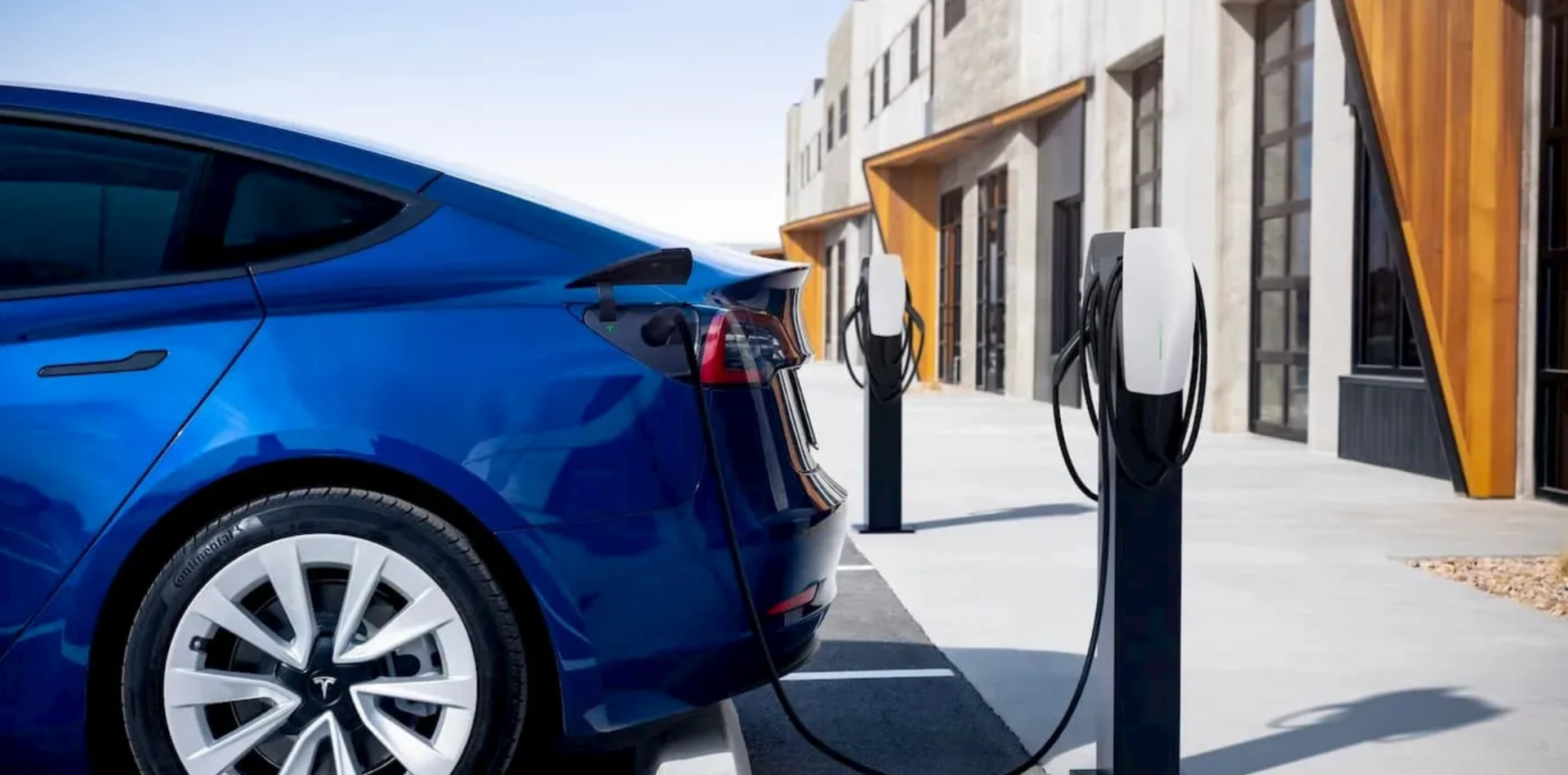
- Electric vehicles (EVs) run entirely on battery power. They use an electric motor instead of a petrol engine, which means no exhaust emissions, no fuel tank and fewer moving parts. You recharge them by plugging into a wall box at home or a public charger.
- Hybrid vehicles use both a petrol engine and an electric motor. The battery recharges itself while you drive (or in the case of plug-in hybrids, can also be charged via a plug). Hybrids don’t need to be plugged in to work, and you can refuel them at any normal service station.
Electric cars: Pros and cons
Pros of electric cars
Cheaper to run
Electricity is significantly cheaper than petrol. Over time, those savings will stack up for your household, especially if you charge overnight or from solar.
Low maintenance
With fewer moving parts (e.g., no oil, timing belts, spark plugs, etc), EV servicing demands are lighter. Plus, regenerative braking means your physical brakes wear more slowly.
Zero tailpipe emissions
EVs produce no exhaust gases. When combined with cleaner electricity sources, that benefit grows even stronger.
Charging infrastructure is catching up
More a positive than the negative it once was, WA is leading the way with one of the longest connected EV networks in the country. More than 100 fast and ultra-fast charging stations are now live across 49 locations, stretching from Mundrabilla in the south to Kununurra in the north.
Road trips that once seemed impossible in an EV are now a reality—though you’ll still want to plan ahead in more remote parts of the state.
Smooth, quiet driving
Instant torque gives punchy acceleration. The lack of engine noise makes for a relaxed drive, especially around town or in stop–start traffic.
More choice than ever
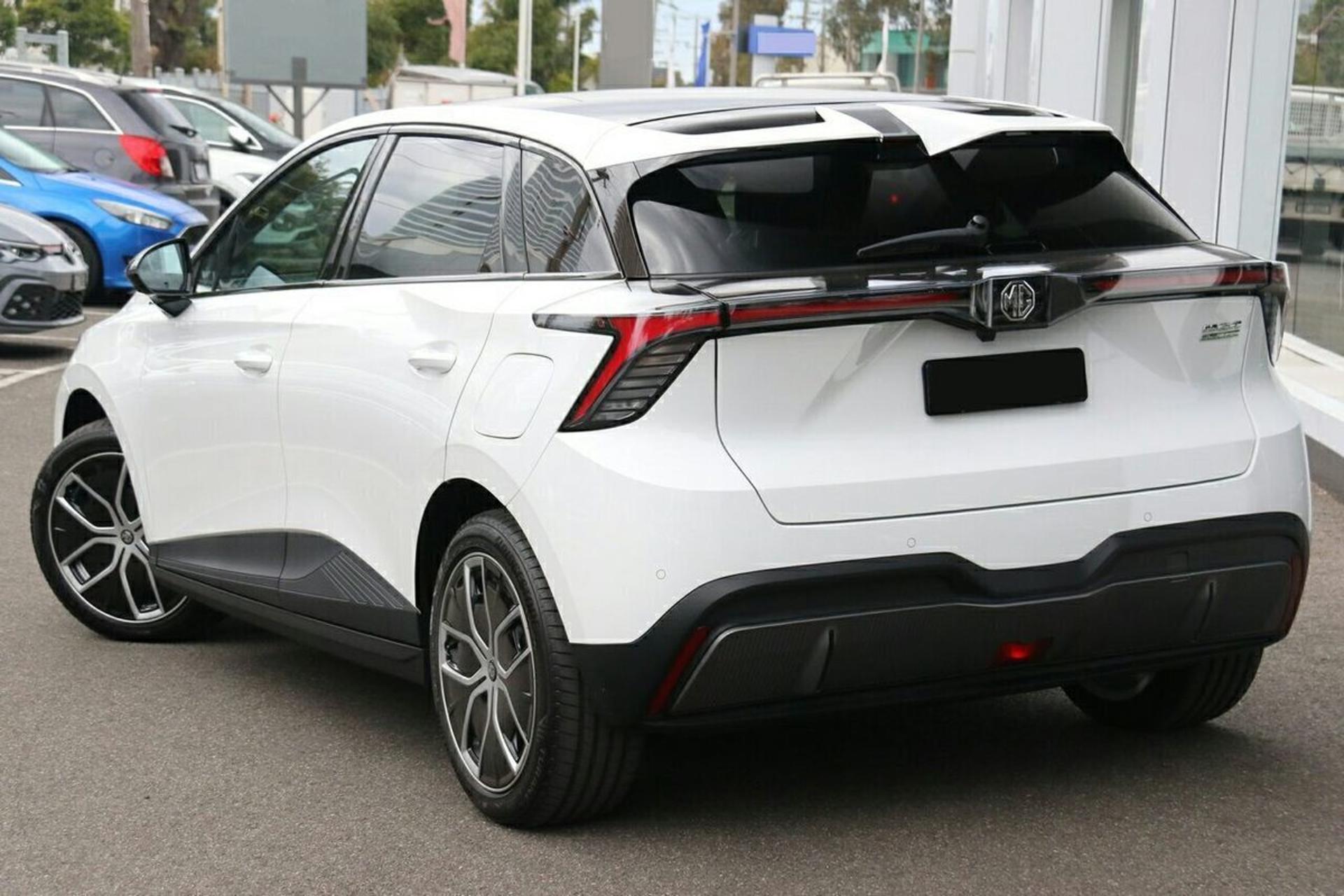
Electric cars aren’t just niche anymore. In 2025, the Tesla Model Y has held onto its spot as Australia’s top-selling EV, thanks to its mix of range, technology and practicality. But it’s not the only one on the radar. Models such as the MG 4, Kia EV5, and MG ZS EV are giving buyers plenty of choice at more affordable price points.
Cons of electric cars
Higher upfront cost
EVs still command a premium compared to petrol cars. Although incentives such as the previous Zero Emissions Vehicle (ZEV) rebate scheme did help, you'll still usually pay a pretty penny for a brand-new EV.
Range limitations in some models
Some EVs comfortably reach 300–500 km per charge, but few can match the range of long-range petrol cars without planning stops. If you're heading out to remote WA, you’ll need to map your charge points carefully.
Charging takes longer than refuelling
Even at DC fast chargers, it can take 30–60 minutes for a meaningful top-up. Full home charging can take hours.
Battery lifespan and replacement cost
EV batteries degrade over time. Most come with warranties (8 years is common), but replacing a battery outside warranty is expensive. That said, many owners never need full replacement during ownership.
Hybrid cars: Pros and cons
Pros of hybrid cars
Better fuel efficiency
Hybrids switch between petrol and electric power, which means you’ll use less fuel overall. Around town, where you’re stopping and starting, hybrids really shine. Some models can sip as little as 4–5L per 100km, compared to 7–10L in a similar petrol car.
Extended range
Unlike EVs, there’s no “range anxiety”. When the battery runs low, the petrol engine takes over, and you can refuel at any service station.
Lower emissions than petrol cars
They’re not as clean as a pure EV, but hybrids still produce significantly fewer emissions than a standard petrol or diesel vehicle. For many buyers, they’re a good step toward greener driving without changing habits too much.
Wider model choice
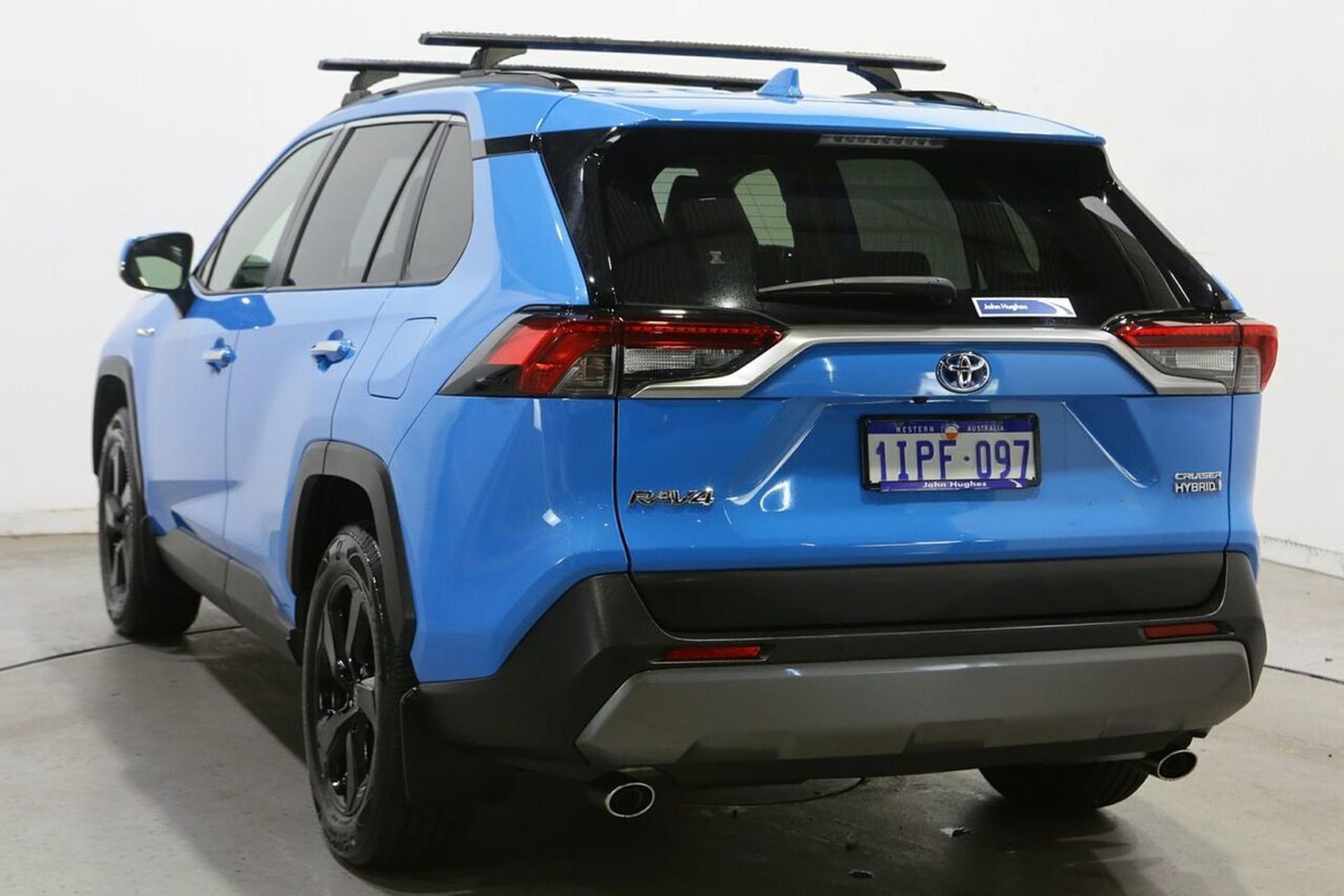
From the Toyota Corolla and Camry Hybrid to SUVs such as the RAV4 Hybrid or Hyundai Kona Hybrid, hybrids are offered across a wide range of everyday vehicles. That makes it easier to find something that fits your budget and lifestyle.
Cons of hybrid cars
Higher servicing costs than EVs
Because hybrids run both a petrol engine and an electric motor, they can be more complex to service than an EV or a standard petrol car. Two systems mean more to maintain over time.
Still relies on petrol
While hybrids cut fuel use, they don’t cut it completely out. You’re still tied to petrol prices and emissions, which means they’re not as sustainable long term as an EV.
Limited electric-only driving
Most hybrids can only run on battery power at low speeds and for short distances (we’re talking a couple of kilometres at best for non plug-in hybrids). If you want longer electric-only range, you’ll need a plug-in hybrid.
Upfront costs
Hybrids are usually cheaper than EVs, but more expensive than a straight petrol equivalent. For some buyers, the fuel savings will balance this out but it’s still something to factor in.
Electric vs hybrid: Which should you choose?
Both electric and hybrid cars have clear advantages, although the right choice comes down to your lifestyle, budget and how you use your car.
You should choose an electric vehicle if you…
- Mostly drive in the city or suburbs and can charge at home overnight
- Want the lowest running costs and minimal servicing needs
- Care about cutting your emissions as much as possible
- Don’t mind planning ahead for longer trips
- Have a driveway, garage or easy access to charging stations
- Are ready to invest a little more upfront for savings down the track
You should choose a hybrid vehicle if you…
- Regularly take longer trips or drive in regional WA where charging is limited
- Want better fuel efficiency without changing your driving habits
- Prefer the flexibility of quick petrol refuelling when needed
- Are after a familiar driving experience with a green edge
- Don’t have access to home charging (apartment or street parking)
- Want a lower upfront price than most EVs while still saving on fuel
Ready to make the switch?
Electric and hybrid cars both bring plenty to the table. But ultimately, the best choice comes down to how you drive, where you live, and what you value most.
At John Hughes, we’ve been helping West Aussies choose the right car for over 50 years, and that includes a growing range of electric cars for sale in Perth as well as trusted hybrid models. If you see something that sparks your interest, you can book a test drive or simply speak to our friendly team for straightforward advice.
Browse our range today and take the next step toward a car that fits your lifestyle.