

Kia Sportage vs. Hyundai Tucson: Which SUV is right for you?
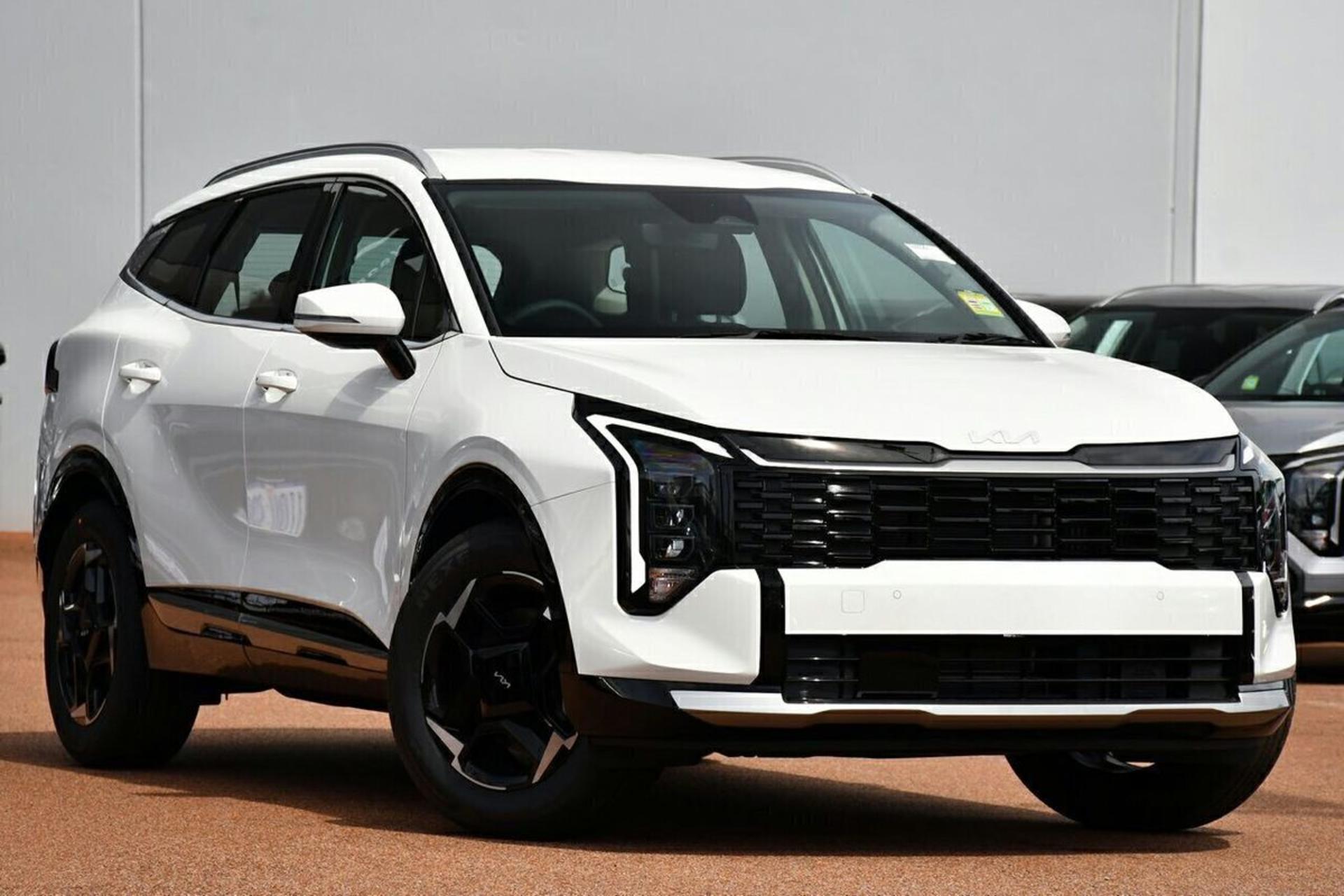
The Kia Sportage and Hyundai Tucson are two of the most talked-about mid-size SUVs on the road today and it’s easy to see why. They’re similar in size, offer the latest safety and hybrid tech, and come packed with features that tick a lot of boxes for growing families, commuters and weekend adventurers alike.
While they share a lot under the skin (Kia and Hyundai are sister brands, after all), there are a few key differences in how they drive, what they offer at each trim level, and which one gives you better value depending on how you plan to use it.
If you're trying to decide which one is right for you, this guide will walk you through the key differences, with real-world advice from a team that’s been helping West Aussies into the right car for decades.
Kia Sportage SX Hybrid vs Hyundai Tucson Elite Hybrid
| Feature / Specification | Kia Sportage SX Hybrid | Hyundai Tucson Elite Hybrid |
| Price (MSRP) | $52,300 | $53,990 |
| Powertrain | 1.6L turbo petrol hybrid (FWD) | 1.6L turbo petrol hybrid (FWD) |
| Power / Torque | 169kW / 350Nm | 169kW / 350Nm |
| Transmission | 6-speed automatic | 6-speed automatic |
| Fuel Efficiency (combined) | 4.9L/100km | 5.2L/100km |
| Fuel Tank Capacity | 52L | 52L |
| Boot Space (VDA) | 587L | 558L |
| Infotainment Screen | 12.3-inch | 12.3-inch |
| Driver Display | 4.2-inch (analogue-style) | 12.3-inch digital cluster |
| Apple CarPlay / Android Auto | Wireless | Wireless |
| Navigation | Yes | Yes |
| Wireless Charging | Yes | Yes |
| USB Ports (Rear) | Seatback USB-C | Rear USB-C |
| Power Tailgate | No | Yes |
| Warranty | 7 years / unlimited km | 7 years / unlimited km |
| ANCAP Safety Rating | 5 star (tested 2022) | 5 star (tested 2021) |
Design & styling
Hyundai Tucson
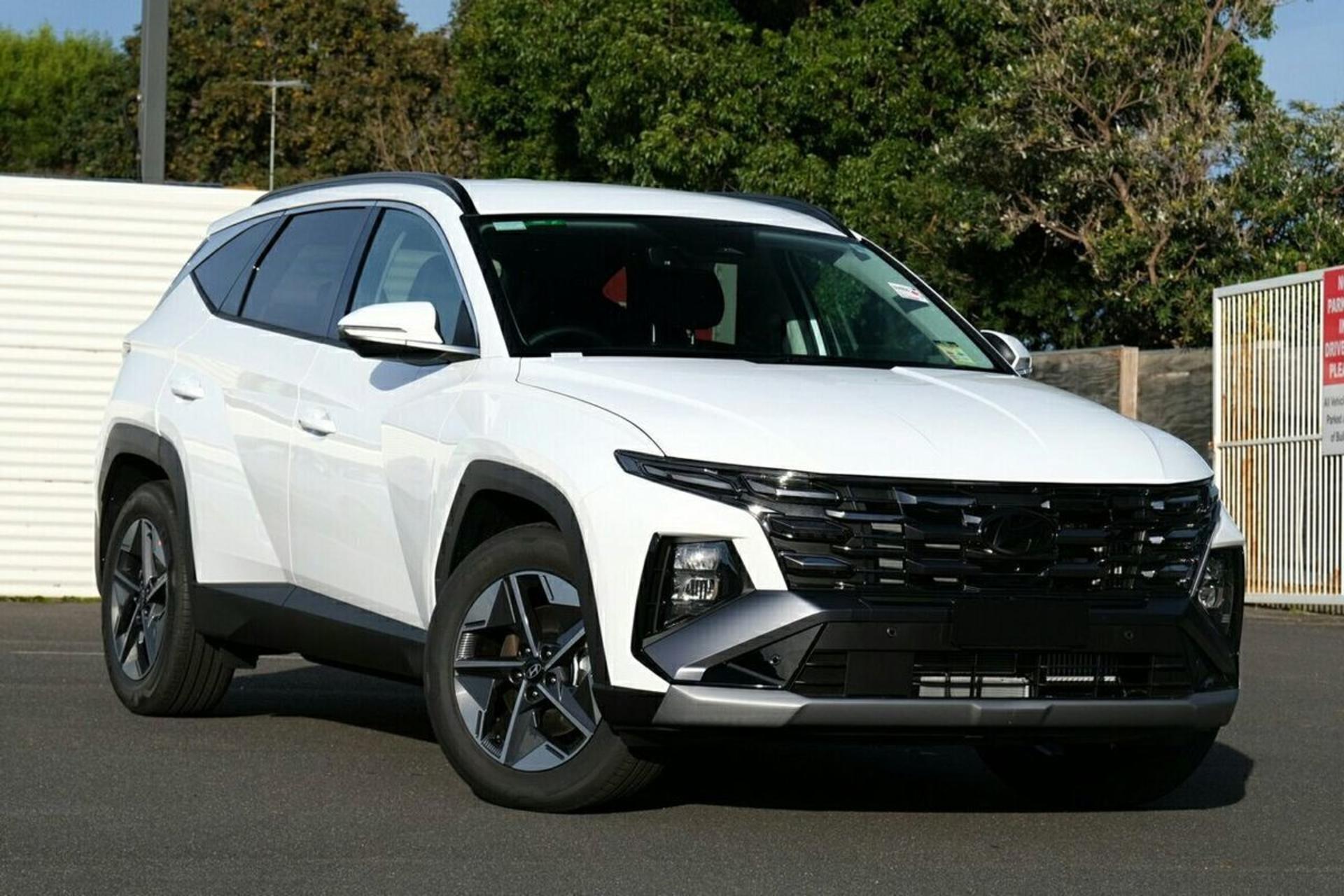
The Tucson isn’t shy. It’s full of sharp creases, geometric edges and what Hyundai calls “Parametric Dynamics”. Marketing speak aside, it does look pretty futuristic. The LED lights are built into the grille, the rear end has a light bar stretching across the boot, and there’s a bold stance from just about every angle.
Some people love it, others find it a bit too busy. But if you're after something that looks sharp and stands out in traffic, the Tucson makes a strong first impression. The Elite Hybrid rides on 18-inch alloys and gets sleek body-coloured cladding that adds to the clean, modern feel.
Kia Sportage
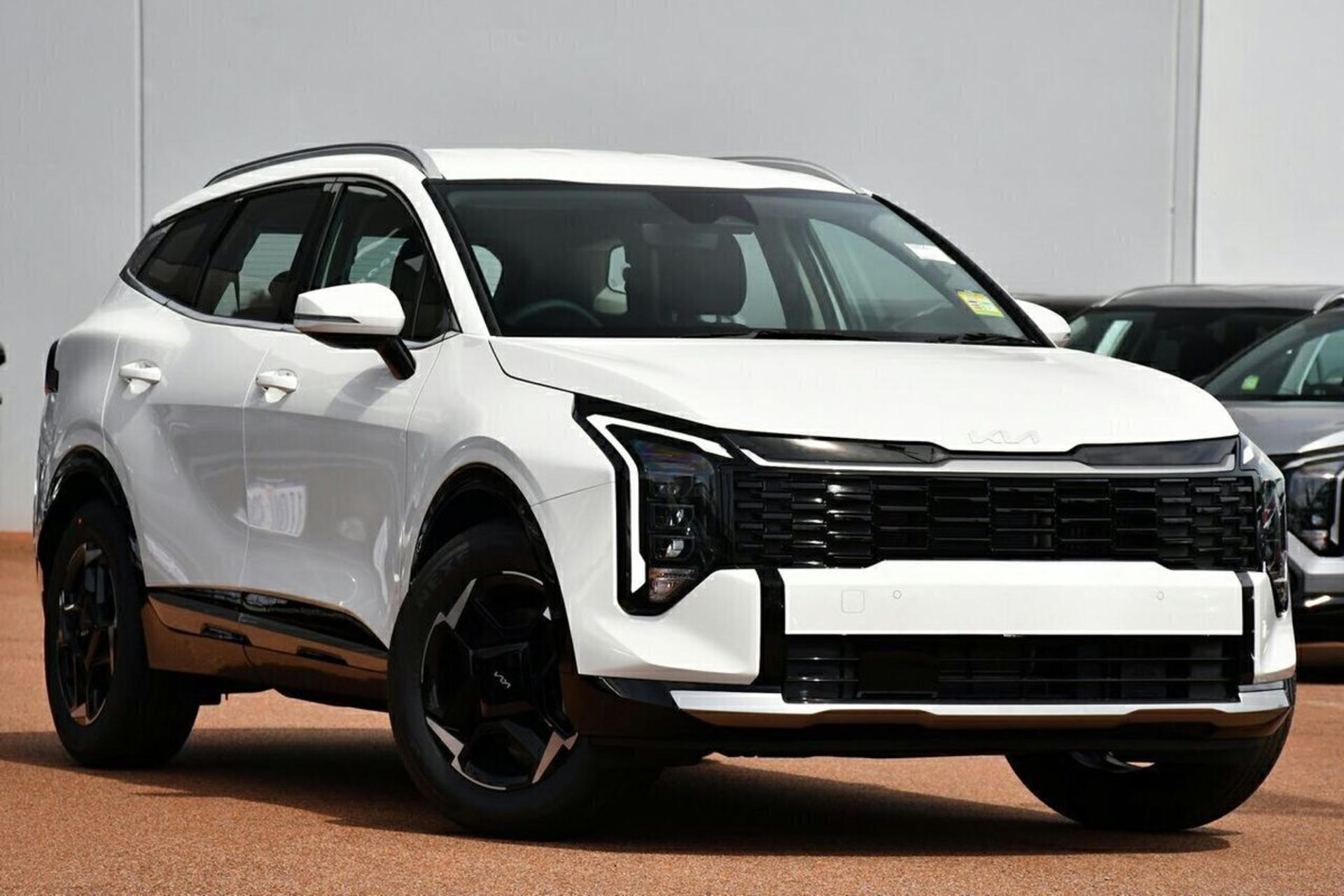
The Sportage is a bit more pulled together. Still modern and eye-catching, but less in-your-face. The boomerang-style daytime running lights are a standout, and we like how the design flows from front to back without too many harsh angles.
It’s a clean, cohesive look that feels slightly more upmarket, especially in the SX Hybrid. The satin chrome trim, smoother lines and sculpted panels give it a more refined edge. It probably won’t turn heads like the Tucson, but it’s a design that’s aged well since its last update.
Which looks better?
That comes down to personal taste. If you like a bold, edgy look with plenty of detail, the Tucson is hard to miss. If you prefer something more subtle and premium, the Sportage nails it.
Space & practicality
Hyundai Tucson
The Tucson’s interior feels roomy right from the front seats. You get a good driving position with plenty of adjustment, and there’s solid headroom and legroom in both rows. Rear passengers have it pretty good too, especially with the flat floor and wide door openings making it easy to get in and out.
Boot space in the Hybrid Elite sits at 558 litres. That’s not class-leading, but it’s still enough for school bags, groceries or a weekend’s worth of camping gear. There’s a power tailgate and a hidden underfloor compartment, but no full-size spare (just a space saver in the hybrid).
Kia Sportage
The Sportage is slightly bigger overall, and you do notice that in the cabin. There’s heaps of space in both rows, and the rear seat is especially roomy. Passengers get rear air vents, USB-C ports built into the seatbacks, and a nice wide bench that’s great for fitting child seats or tall adults.
Boot space is a touch more generous at 587 litres in the SX Hybrid. The opening is wide and square, and loading bulky items like prams or sports gear is easy. The back seats fold 60:40, and while they don’t go completely flat, the floor stays low and usable.
Which is more practical?
Both are solid choices, but we’d give the edge to the Sportage. It’s a bit more flexible in the back, has a slightly bigger boot, and includes a few smart touches that make day-to-day life easier. The Tucson still does the basics well and has a tidier centre layout, but if cabin space and family practicality are priorities, the Kia has the upper hand.
Performance & drive
Hyundai Tucson
The Elite Hybrid pairs a 1.6-litre turbo petrol engine with an electric motor and a 1.49kWh battery. Together, they produce 169kW and 350Nm, sent through a 6-speed automatic to the front wheels. It’s smooth, reasonably quick off the mark, and easy to live with in city traffic.
Around town, the Tucson feels quiet and composed. The hybrid system switches between petrol and electric power without much fuss, and the regenerative braking helps save fuel without feeling grabby. On the highway, it cruises comfortably, although the engine can get a bit vocal when pushed.
Hyundai’s suspension tune strikes a decent balance between comfort and control. It’s not overly sporty, but the steering is well-weighted, and the car feels planted through corners. It’s an easy car to drive every day, especially if you value comfort and a quiet cabin.
Kia Sportage
The Sportage SX Hybrid uses the same hybrid powertrain as the Tucson, which is a 1.6 turbo petrol, electric motor, and a combined 169kW and 350Nm. It also runs through a 6-speed auto with front-wheel drive, so performance on paper is nearly identical.
Where it differs slightly is in how it feels on the road. Kia tunes its suspension locally for Australian conditions, and you can tell. The ride is well sorted, especially over rougher roads or speed bumps, and it feels a touch more stable when cornering at speed.
Steering is light and direct, which makes parking and low-speed manoeuvres a breeze. Like the Tucson, the hybrid system does its job quietly in the background, though some testers have noted the gearbox can feel a little unsure during hard acceleration.
Which drives better?
They’re incredibly close, but we’d say the Sportage has the edge on Aussie backroads and uneven surfaces, thanks to its local suspension tuning. The Tucson is still smooth and predictable, especially for city driving, but if you do a mix of freeway, hills and suburban trips, the Kia feels a bit more dialled in.
Fuel economy & running costs
Hyundai Tucson
The Tucson Elite Hybrid is officially rated at 5.2L/100km on the combined cycle. In real-world driving, especially on longer freeway stretches, most drivers can expect somewhere in the low to mid sixes. It has a 52-litre fuel tank, which gives you solid range for road trips without constant fuel stops.
Servicing is due every 12 months or 10,000km, whichever comes first. Hyundai offers pre-paid service plans and up to seven-year unlimited kilometre warranty, with hybrid battery coverage for eight years or 160,000km.
Kia Sportage
The Sportage SX Hybrid is slightly more efficient on paper, with a combined fuel use of just 4.9L/100km. Like the Tucson, it runs a 52-litre tank and uses 91 RON unleaded, so there’s no need to worry about premium fuel costs. You’ll comfortably see over 1,000km of range on a full tank if you’re doing mostly highway driving.
Kia offers a seven-year unlimited kilometre warranty, along with seven years of capped-price servicing and eight years of roadside assist if you service with a Kia dealer. Like Hyundai, hybrid servicing is required every 12 months or 10,000km.
Which is cheaper to run?
The Sportage is slightly more fuel-efficient and a 7-year warranty, which gives it a clear advantage for long-term peace of mind. That said, both hybrids are excellent on fuel and offer strong value compared to non-hybrid rivals. If you’re driving long distances or want to keep running costs down over time, either option will do the job well.
Technology & features
Hyundai Tucson
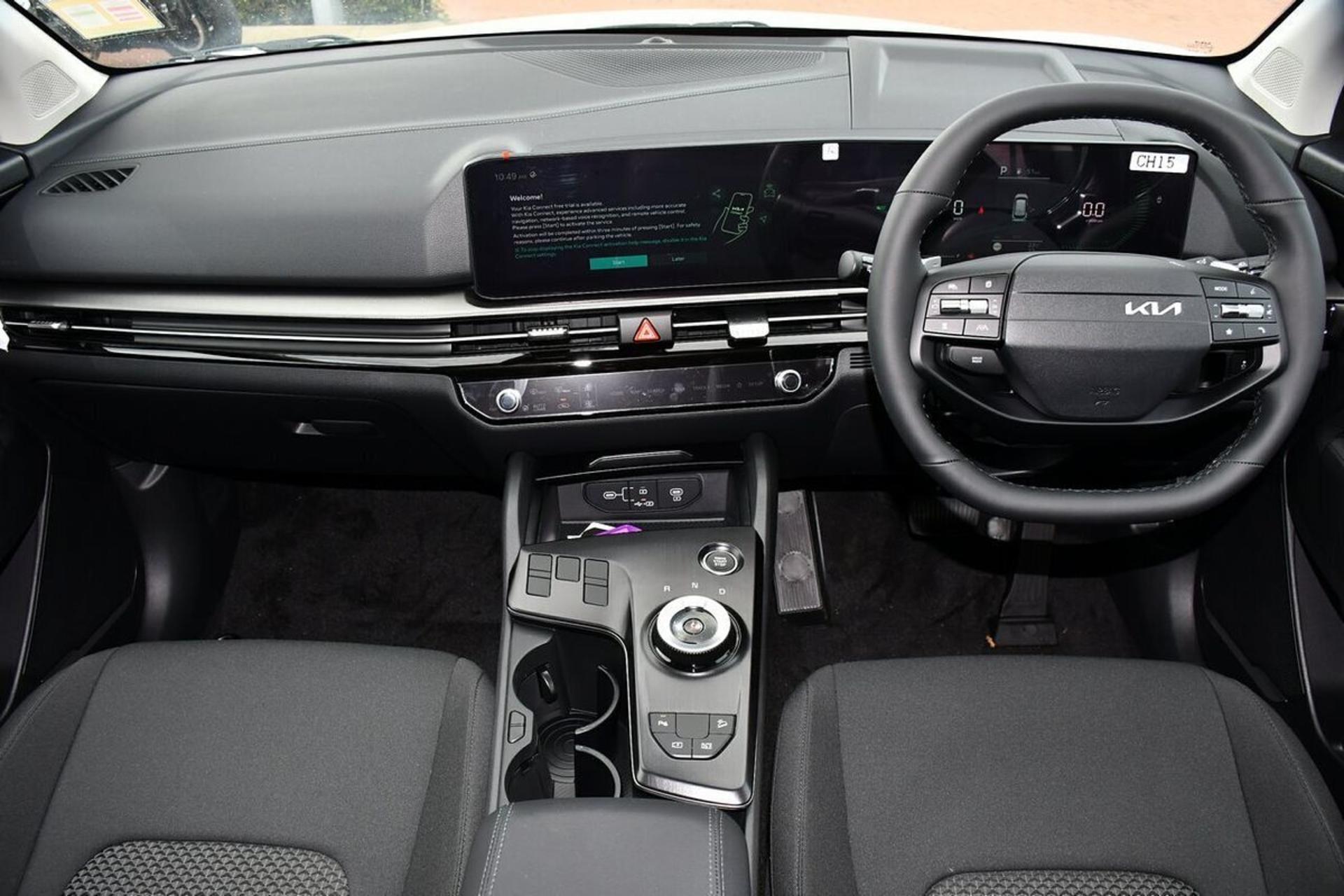
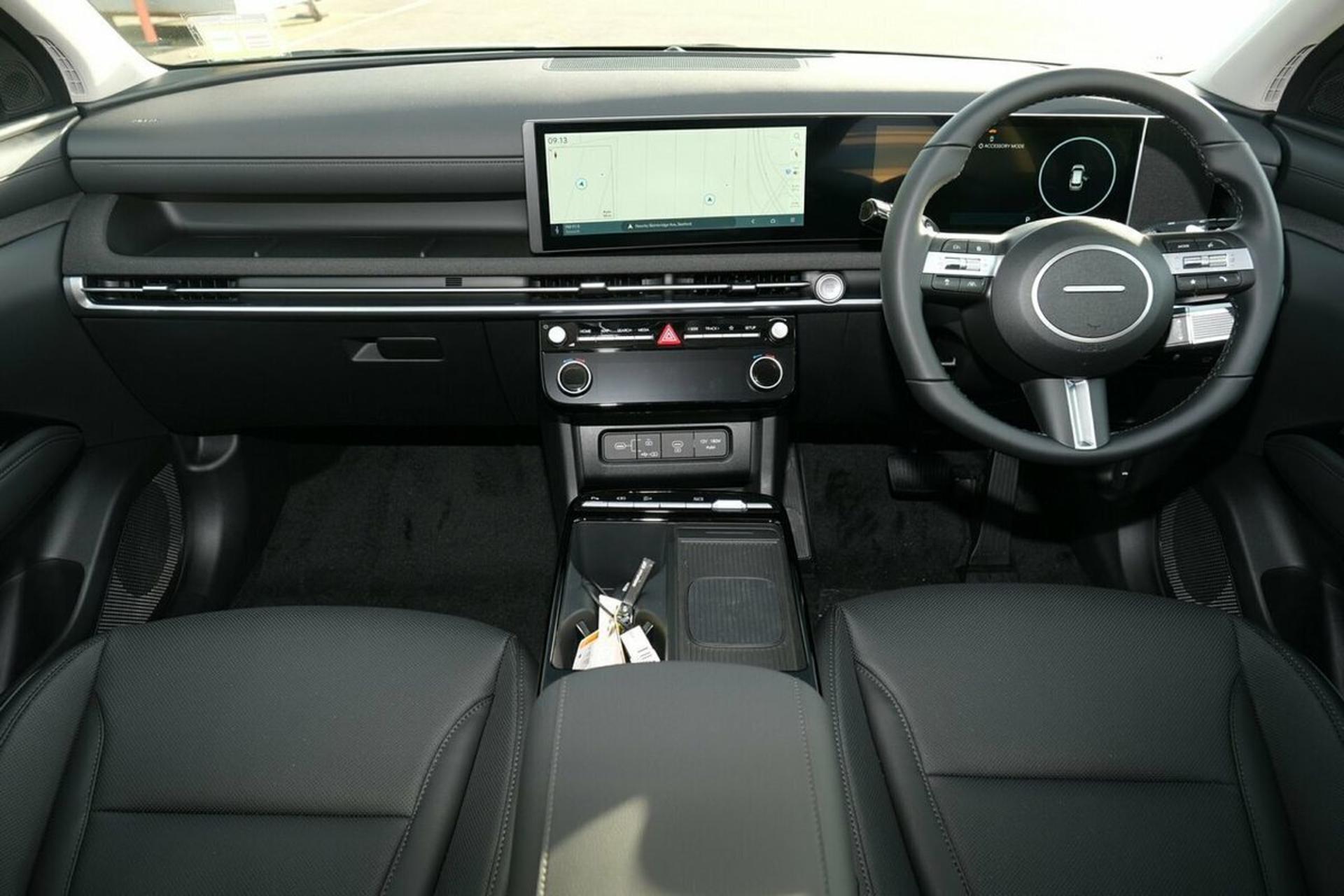
The Elite Hybrid packs in a good mix of comfort and tech. You get a 12.3-inch touchscreen with built-in navigation, wireless Apple CarPlay and Android Auto, digital radio, and a tidy 6-speaker sound system. There’s also a second screen in front of the driver for digital gauges, though it’s not quite as slick as the dual-screen setup in higher trims.
Other highlights include keyless entry, push-button start, dual-zone climate control, and a wireless phone charger. We liked the new touch-sensitive climate panel, which is simple enough once you’re used to it, but it does take your eyes off the road more than traditional dials.
Charging ports are solid too with USB-C in the front and rear, a 12V socket, and the wireless pad is grippy and well-positioned.
Kia Sportage
In the SX Hybrid, you get a very similar setup with a 12.3-inch infotainment screen, wireless Apple CarPlay and Android Auto, built-in sat nav, and a six-speaker audio system. The driver display is smaller than the Tucson’s digital cluster in this trim, but still clear and easy to read.
One standout is Kia’s dual-function touch bar, which cleverly swaps between climate and media controls at the press of a button (quite handy once you get the hang of it). Like the Tucson, you also get keyless entry, push-button start, and a wireless charging pad.
Rear passengers in the Sportage get USB-C ports integrated into the seatbacks, which is a small thing but genuinely useful, especially with kids’ devices on road trips.
Which car has the better tech?
It’s close, but we still think the Sportage feels a bit more polished for everyday use. That dual-function bar and seatback USBs are small but smart touches. The Tucson still has a clean, modern layout and adds a fully digital driver cluster, so if that’s a priority, it could sway you!
Which one should you choose?
Although the Kia Sportage SX Hybrid does narrowly win out in a few key areas, that doesn’t mean the Hyundai Tucson Elite Hybrid is out of the equation. In fact, far from it. Both are strong, feature-packed family SUVs, however they just appeal to slightly different types of drivers.
Where the Sportage stands out
- Practicality: More boot space, smarter cabin storage, and rear-seat touches that are actually useful.
- Comfort: Local suspension tuning makes it ride better on rougher WA roads.
- Ownership value: Lower fuel use on paper, longer warranty, and capped-price servicing for seven years.
Who it suits
The Sportage SX Hybrid is perfect for growing families, road-trippers, and budget-conscious buyers who want hybrid efficiency without giving up space or comfort. If you’re juggling school drop-offs, weekend sport, or regular trips up north, it’s a solid, well-rounded pick.
Where the Tucson stands out
- Bolder design: If you like a futuristic, head-turning look, the Tucson does it better.
- Tech presentation: Fully digital driver display and a more sculpted dash layout.
- Power tailgate: A nice-to-have feature that’s missing on the equivalent Sportage trim.
Who it suits
The Tucson Elite Hybrid is a great fit for design-focused buyers, empty nesters, or couples who want a stylish, modern SUV that still ticks the boxes for comfort and safety. If your driving is mostly urban with the occasional weekend escape, it’s an easy, refined daily driver that feels a little more high-end inside.
Still deciding between the Kia Sportage and Hyundai Tucson?
At John Hughes, we’ve helped thousands of Perth drivers find the right SUV for their lifestyle. If you’re weighing up the Kia Sportage vs Hyundai Tucson, we make it easy to compare both in one place, with expert advice, competitive pricing and test drives ready to go.
- Explore the Kia Sportage at John Hughes Kia
- Explore the Hyundai Tucson at John Hughes Hyundai
- Book a test drive today at our Victoria park showroom