

How To Determine The Trade-In Value Of Your Car

Thinking about swapping your current car for something different? You’re not alone!
Plenty of WA drivers reach a point where it’s time to upgrade, simplify or just move on. But before you can make that next move, the one big question that usually pops up is how much is your car actually worth?
That’s where things can get confusing. Trade-in values can vary depending on who you ask, what you drive, and how prepared you are. In this guide, we’ll walk you through what affects your car’s value, how to get the best deal, and why choosing a dealer you trust makes all the difference.
What is the trade-in value of my car?
When you trade in your car, we offer you a price to buy it directly from you. This amount is then used as credit towards your next vehicle. It could help lower your repayments on a finance deal, reduce the upfront cost, or just make the switch a bit easier on your budget.
The trade-in value we offer you isn’t a random number either. We look at your car’s make, model, year, kilometres, condition, service history, and current market demand. We also factor in the cost of preparing the vehicle for resale and the margin we need to make when it’s sold again.
That’s why trade-in prices are usually lower than what you might get selling privately. But in exchange, you save time, avoid dealing with tyre-kickers, and can handle the trade and purchase in one clean transaction, which is especially handy if you're buying a used or new vehicle from John Hughes.
Key factors that influence your trade-in value
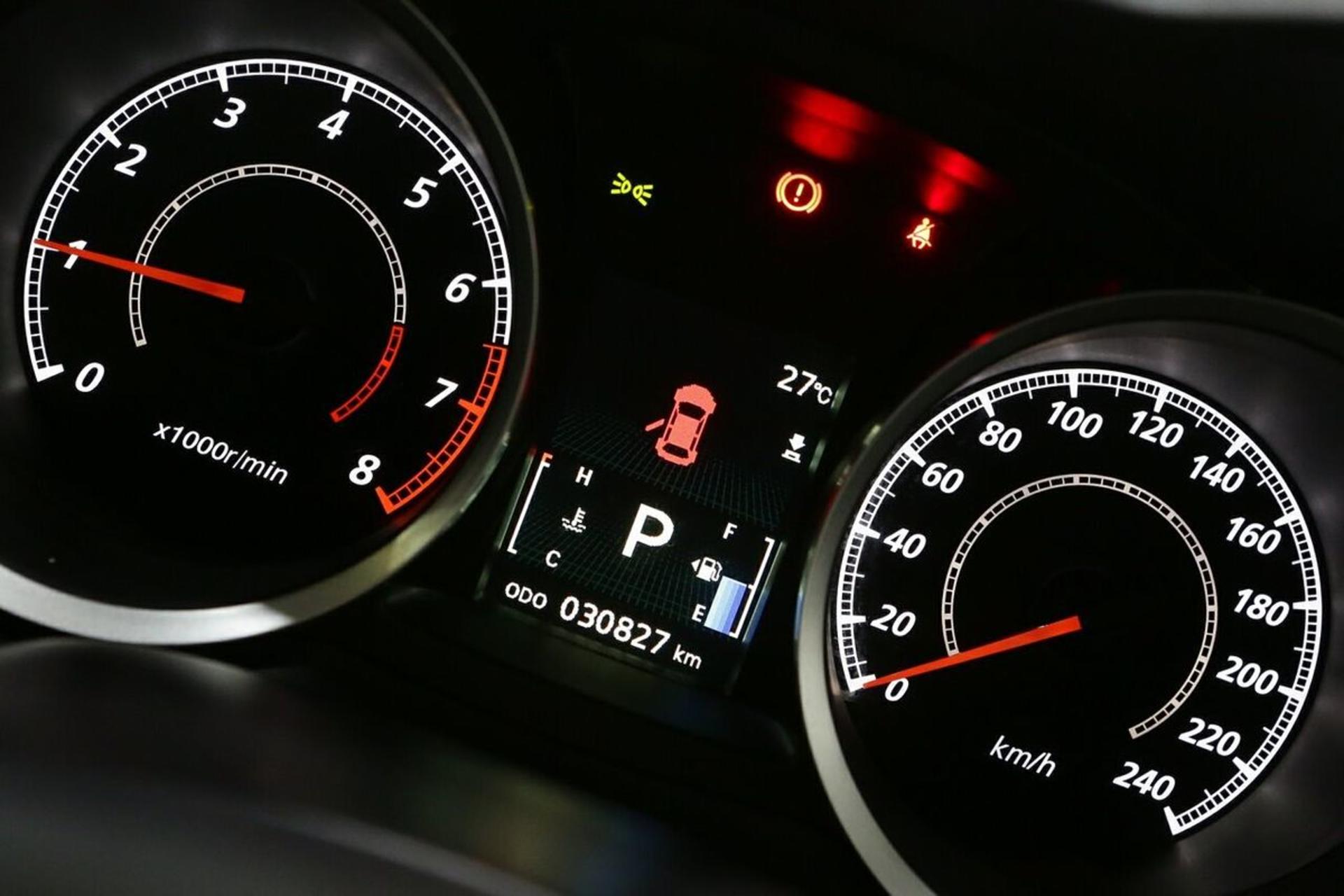
Not all cars are valued equally, even if they’re the same make and model. That’s because several key factors come into play when a dealership works out what your vehicle is worth. Understanding these will help you see where your car stands and what you might be able to improve.
| Factor | What it means for your trade-in |
| Age | Older cars tend to be worth less, unless they’re in exceptional condition or rare. |
| Make and model | Well-known, reliable brands usually hold value better (especially if they’re popular in WA). |
| Kilometres | Lower mileage suggests less wear and tear, which often means a better offer. |
| Condition | Dents, scratches, interior damage or warning lights can all affect the price. |
| Service history | A complete logbook shows you’ve looked after the car. |
| Features | Auto transmission, safety tech, good tyres and extras like tinting or a tow bar can add value. |
| Market demand | If your car type is in high demand, you’ll likely get more. |
The more positive boxes you tick, the stronger your trade-in offer will be. And even if your car has a few marks or needs a clean-up, being upfront and prepared still goes a long way.
How to prepare your car to maximise its trade-in value
1. Give your car a good clean
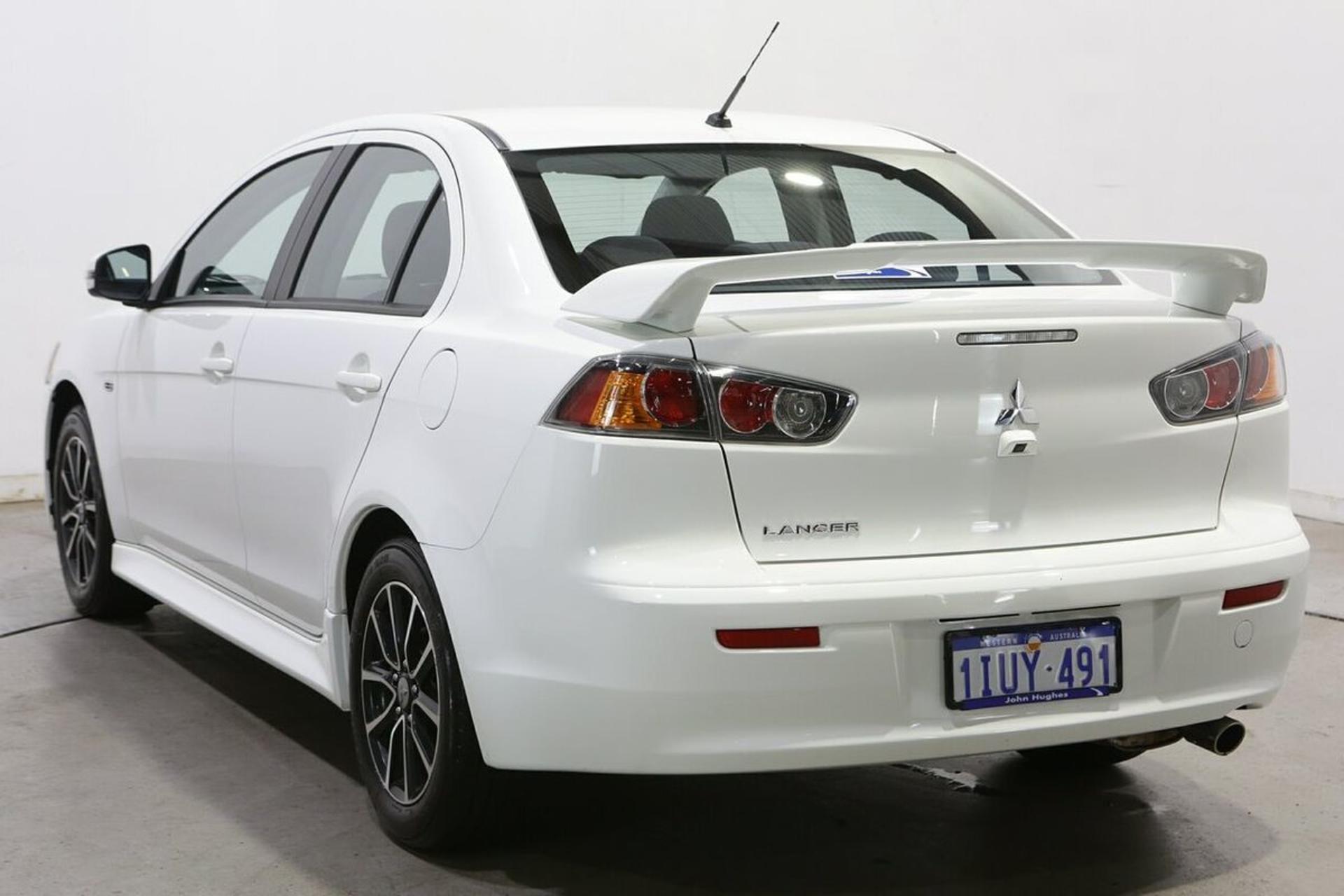
First impressions count. A tidy car tells the valuer you’ve looked after it. Wash the exterior, vacuum the interior, and wipe down the dashboard and door trims. Remove any rubbish, old receipts and personal items (you’d be surprised what people leave behind…).
2. Fix small issues if you can
It’s not about making the car perfect, but small repairs can help. Top up fluids, replace any blown bulbs, fix worn wiper blades, and check your tyres have decent tread. If there’s a warning light on the dash you should get it checked anyway as it could be something minor, but it will affect your offer if left.
3. Find your logbook and service history
A full or partial service history shows the car’s been maintained. Even if it wasn’t always serviced at the dealership, having receipts or records adds value. If you’ve lost the logbook, note down what work has been done and when.
4. Bring all keys and accessories
Missing a spare key? That could reduce your trade-in price, since replacing modern keys can be expensive. If your car came with a parcel shelf, charging cable, or roof rack, bring those too.
The John Hughes trade-in process: easy, fair, fast
We know most people don’t have time to bounce between dealerships or negotiate for days just to get a fair offer. That’s why we’ve made selling or trading in your car as quick and simple as possible.
Step 1: Tell us about your car
Start with our Sell My Car valuation form. It only takes a minute or two to enter your details, but this will give us a rough idea of what we’re working with.
Step 2: Book your appraisal
Once we’ve got your info, one of our friendly appraisers will be in touch to arrange a time to inspect your vehicle. This appointment will take place at your closest John Hughes car dealership location.
We assess the condition of your car, check the service history, and compare it to recent market data to give you a fair, honest offer.
Step 3: Get your offer (and get paid!)
If you’re happy with the price, we can buy your car on the spot. Payment can be arranged for the same day, and we’ll even handle the paperwork for you.
Got finance owing? No stress either, since we can pay the lender directly and sort the rest.
Why trade in with John Hughes?
- We’ll give you a competitive, market-based offer
- Our high turnover means we can often pay more for quality late-model cars, SUVs and 4x4s
- If you’re buying your next vehicle from us, your trade-in can go straight towards your purchase
- Need a lift home? We’ll organise it
- Trusted by thousands of WA locals for over 50 years
You can sell your car to us directly, trade it in for something new, or just get a no-pressure valuation to help you plan your next move. Either way, we’ll make sure it’s done fairly, quickly, and with respect.
What to bring (your trade-in checklist)
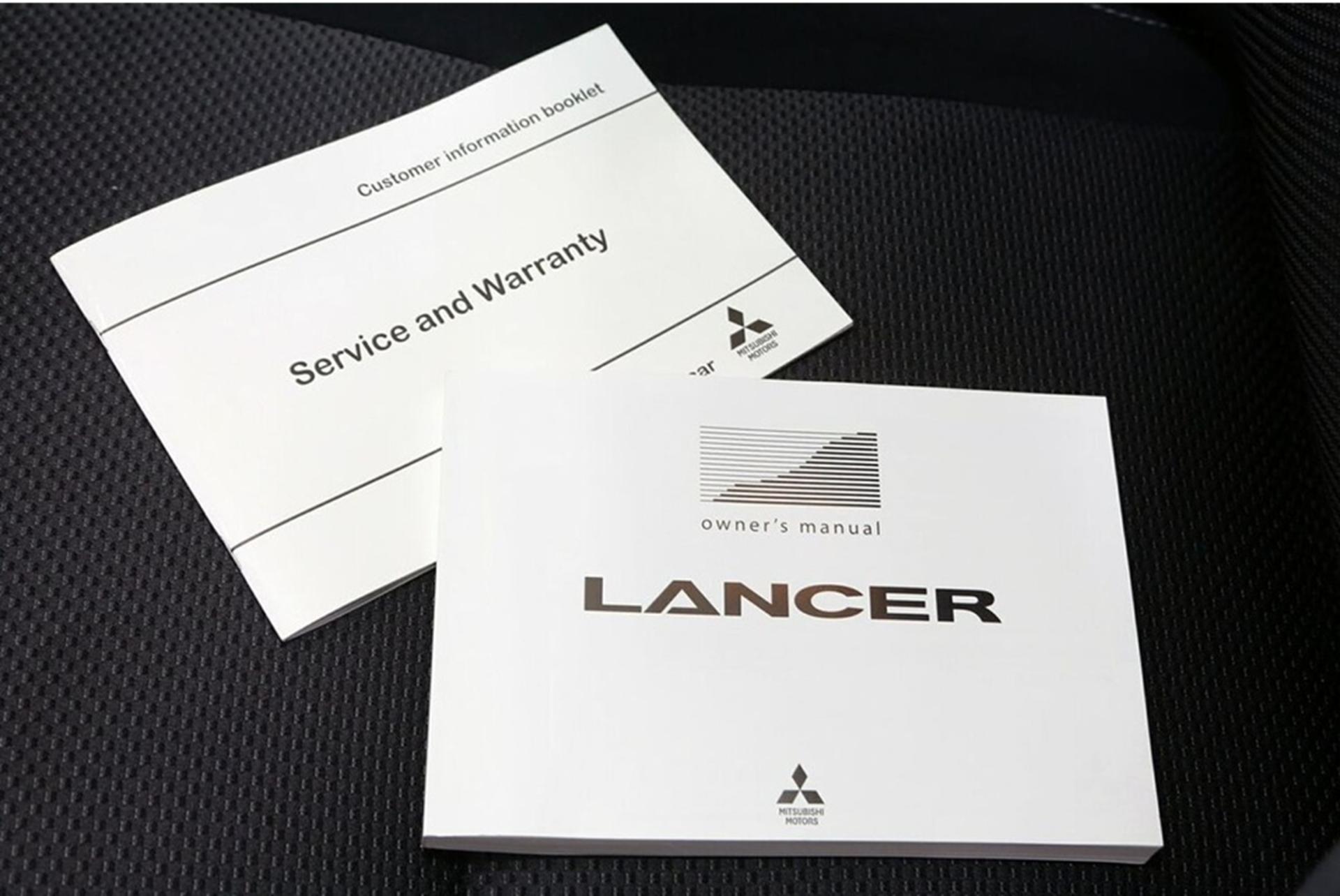
To keep things moving smoothly, here’s what you’ll need to bring when trading in or selling your car with us:
- Your driver’s license – Used for ID and to match you to the vehicle’s ownership.
- Registration papers – Proof that the car’s in your name and currently registered.
- Service history and logbook – A full logbook adds value, but even partial records help show the car’s been looked after.
- Spare keys and accessories – If your car came with two keys, bring both. Also include items you may have taken off your vehicle.
- Payout letter (if you have finance) – If you’re still paying off your car, we can contact your lender and arrange a direct payout.
- Your bank details – So we can arrange same-day payment directly into your account.
Ready to trade in? Let’s keep it simple
Trading in your car should feel straightforward and fair. At John Hughes, we’ll give you an honest price, handle the paperwork, and make sure the process is quick and stress-free.
If you’re ready for a change, start today with a free valuation and see how easy it is to trade in your car.